
Does Therapy Work? Mental Health Workers Tell the Truth
Both the mainstream media and people on social media keep pushing the necessity of the mental health industry. To people with obvious problems, they say “Get help,” sometimes out of genuine concern and other times as an insult. But does therapy actually work? Does it really help?
Here is a compilation of quotes from primarily mental health workers casting light on the effectiveness of mental health counseling.
David Smail, Psychologist

Most therapists, I suspect, have been rather traumatized by the research literature: the lack of hard evidence that any form of therapy really “does any good” in the way that it is supposed to is something to set the seeds of panic sprouting in those who can see no obvious alternative way of making a living.
– Smail, D. (1987). Taking Care: An Alternative to Therapy (p. 80).
Robin Bailey, Psychologist
In 2003, a review of clinical trials showed that counselling provides short-term, modest improvements in reducing anxiety and depression, compared with “usual care” (routine visits to a GP, CBT and antidepressant drugs), but no long-term improvements.
– Bailey, R. (2017). Counselling doesn’t work in the long term. The Conversation.
Nigel MacLennan, Psychologist

Why do most approaches to psychotherapy achieve the same success rate, 30% or less, despite vast differences in the methods used? There are thousands of different types of psychotherapies. Most claim to be different in some way, yet all seem to have the same failure rate. Yes, the failure rate is around, or greater than, 70%. Let’s put that in to perspective. Would you use a physician whose failure rate was 70%? Would you commission a plumber or electrician or carpenter who failed to deliver more than 70% of the time? Of course not. Do most people know how ineffective psychotherapy is? No. Have professional psychotherapy bodies announced to the world the reality of the high failure rate? No.
– MacLennan, N. (2021). Why Most Psychotherapies Are Equally Ineffective. Psychreg.
Recent evidence suggests that psychological approaches may be less effective than a placebo. Research in to IAPT outcomes (Improved Access to Psychological Therapies – in the UK) found that only around 10% of people using psychological services showed any improvement.
– MacLennan, N. (2021). Why Most Psychotherapies Are Equally Ineffective. Psychreg.
Here is a statement that some mental health workers do not want to hear, for self-interested reasons: Each of us is our own best therapist. How can that be so? How can people with no training be better than PhD educated professionals? That seems impossible, until an examination of the facts. How effective are professionals? They have a failure rate of around 70%… When therapy is successful, which factors account for the success?… They are the skills that we have each developed in a lifetime of mutually nurturing relationships… We would expect to find as many people get better by speaking to their friends as when paying professionals, and that is exactly the case. Yes, as many people have successfully therapeutic experiences over a coffee and chat with friends as with paid professionals.
– MacLennan, N. (2020). i Shrink: Be your own best therapist. Dr. Nigel Maclennan.
Orval Hobart Mowrer, Psychologist
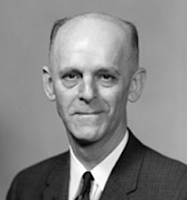
“There is no shred of evidence that psychoanalyzed individuals benefit from the experience.”
– Mowrer, O.H. (1961). Crisis in Psychiatry and Religion.
Hans Eysenck, Psychologist
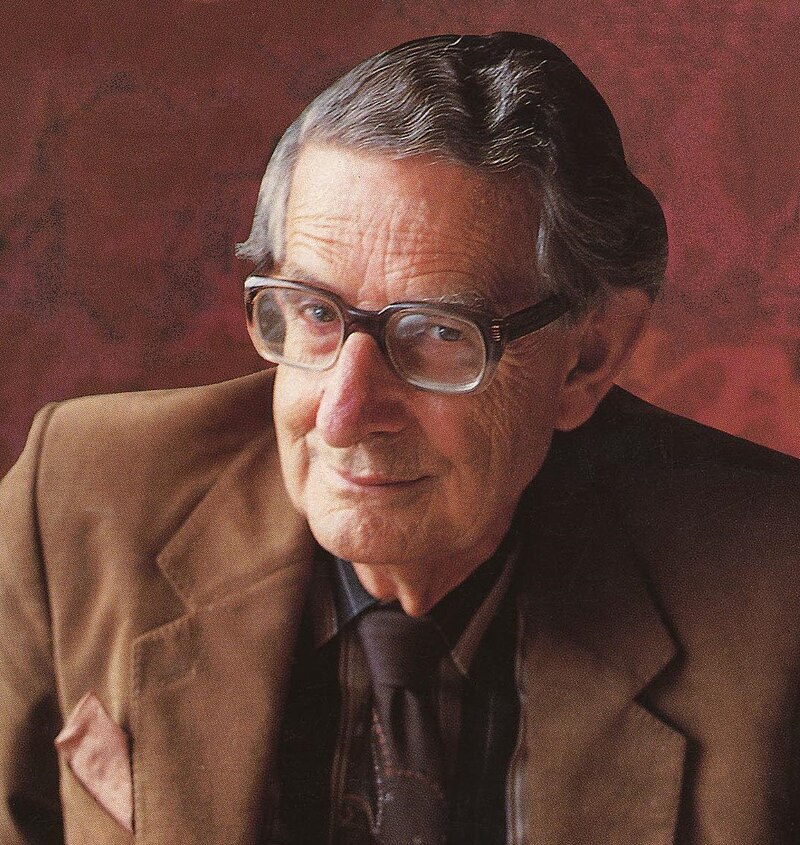
We have found that neurotic disorders tend to be self-limiting, that psychoanalysis is no more successful than any other method, and that in fact all methods of psychotherapy fail to improve on the recovery rate obtained through ordinary life-experiences and non-specific treatment.
– Eysenck, H.J. (1965). “The effects of psychotherapy.” International Journal of Psychiatry, 1, pp. 97-168.
In 1952 I had come back from America where I had been sent to learn what they were doing in clinical psychology and to create a clinical psychology profession in this country. Of course, what they were doing for the most part was some kind of psychotherapy, usually psychoanalytic. Obviously the first thing I had to ask myself was ‘Does it work?’. So I collected the papers and did my study, which I published in 1952, on the effectiveness of psychotherapy. The answer was a very simple one. Practically all the studies that had been done were really methodologically very, very weak; as far as they went, they didn’t show any superiority in outcome of psychoanalysis, or any form of psychotherapy, as compared with not treatment at all. When you looked at the large-scale studies of no treatment, they showed that serious neurotics tend to get better regardless of what is happening within about 2 years or so, possibly 3 years. Several other people came to the same conclusion: it was not a unique or very original kind of investigation. Clearly there was no evidence that psychoanalysis or psychotherapy did any good.
– Feltham, C. (1996). Psychotherapy’s staunchest critic: an interview with Hans Eysenck. British Journal of Guidance and Counseling, Vol. 24, No. 3
“The success of the Freudian revolution seemed complete. Only one thing went wrong. The patients did not get any better.”
– Mowrer, O.H. (1961). The Crisis in Psychology and Religion
“Surveys show that of patients who spend upwards of 350 hours on the psychoanalyst’s couch to get better-two out of three show some improvement over a period of years. The fly in that particular ointment, however, is that the same percentage get better without analysis or under the care of a regular physician. As a matter of fact, that same ratio-two out of three people-got better in mental hospitals a hundred years ago. . . . Patients get better regardless of what is done to them. Unfortunately the analyst often interprets improvement as a result of his treatment. It does not bother him that other people use other methods with equal effect-hypnosis, electric shock, cold baths, the laying on of hands, the pulling out of teeth to remove foci of infection, suggestion, dummy pills, confession, prayer.”
– Eysenck, H.J. (1964, Feb. 14).1n Time Magazine, p. 43.
William Epstein, Sociologist
Today, there is not one credible study conforming to the basic rules of objective proof that testifies to the effectiveness of any psycho-therapeutic treatment.”
– Epstein, W.M. (1995, Dec. 31). The Illusion of Psychotherapy
Substantively as well as symbolically, psychotherapy for depression and addiction repeats the clinical record of post-traumatic stress disorder. The best of the best studies of psychotherapy for depression fails as science, lacking true tests of treatment while routinely exaggerating the effectiveness of psychotherapy. The research does not dispel the likelihood that psychotherapy for depression fails to improve on the processes that account for natural remission. Psychotherapy offers no apparent cure for drug addiction. The variation in reported addiction rates from year to year, suspect in itself, may be due to generational learning and changing fashions in social attitudes to illicit drug use more than to any form of treatment. The small amount of remission and true long-term abstinence reported in psychotherapy trials are likely determined by rare patient motivation and their situations rather than treatment itself.
– Epstein, W.M. (2019, Dec.). Psychotherapy and the Social Clinic in the United States
Oliver James, Psychologist

As a treatment, rafts of studies have shown it [Cognitive Behavioral Therapy] to be ineffective in delivering long-term therapeutic benefits to patients with anxiety and depression. While studies show that in the short-term – six to 12 months – patients who have received CBT are more likely to report themselves as ‘recovered’ compared to those who have received no treatment, these results are not sustained in the long-term. CBT is largely ineffective for the majority of patients. It is in essence a form of mental hygiene. However filthy the kitchen floor of your mind, CBT soon covers it with a thin veneer of ‘positive polish’… Working as a psychotherapist, I rarely encounter patients who haven’t been subjected to CBT, which failed to help them.
– Hope, J. (2014, Nov. 10). ‘CBT is a scam and a waste of money’: Popular talking therapy is not a long-term solution, says leading psychologist. Daily Mail.
Robyn Dawes, Psychologist

[T]here is no positive evidence supporting the efficacy of professional psychology. There are anecdotes, there is plausibility, there are common beliefs, yes – but there is no good evidence.
– Dawes, R. (1996). House of Cards, p. 58.
[If] people enter therapy when they are extremely unhappy, they are less likely to be as unhappy later, independent of the effects of therapy itself. Hence, this regression effect can create the illusion that the therapy has helped to alleviate their unhappiness, whether it has or not. In fact, even if the therapy has been downright harmful, people are less likely to be as unhappy later as when they entered therapy.
– Dawes, R. (1996). House of Cards
Robert R. Carkhuff, Psychologist, & Charles B. Truax
[T]he evidence now available suggests that, on the average, psychotherapy may be harmful as often as helpful, with an average effect comparable to receiving no help.
– Carkhuff, R. R. (1969). Helping and Human Relations: A Primer for Lay and Professional Helpers
Poser (1966) studied therapeutic outcome in 343 hospitalized male schizophrenics by comparing the effects of experienced psychiatrists and psychiatric social workers to a control group who were seen by totally untrained college students and a control group receiving no new attention. The findings favored significantly better outcomes for the control group treated by untrained college students.
– Carkhuff, R.R. (1967). Toward Effective Counseling and Psychotherapy (2017 edition)
Again, in a study of 100 junior high school students assigned to counseling and control conditions, Mink and Isaacson (1959) reported no overall differences in outcome between the counseled and control clients.
– Carkhuff, R.R. (1967). Toward Effective Counseling and Psychotherapy (2017 edition)
Psychotherapy as a treatment for alcoholism also appears to be quite ineffective. Thus, Gerard, Saenger, and Wile (1962) studied the longterm effectiveness of clinical services for alcoholic patients. The authors chose a random sample of 400 patients from state-supported alcoholism clinics. The patients were randomly interviewed at either two, five, or eight years following intake. Of the 299 patients reached in the follow-up, only 18 per cent remained abstinent for at least one year during this follow-up period. Of the others, 41 per cent were unchanged, while 10 per cent had deteriorated to the point where they were institutionalized, and an additional 17 per cent were dead. Quite significantly, among the 18 per cent who actually remained abstinent for a least a year, more than half continued to manifest gross overt symptoms of psychologic impairment. Of this same 18 per cent, only 10 per cent sustained their improvement independently, while the rest relied on Alcoholics Anonymous, etc. Quite surprisingly, the drinker who finally abstains rarely quits drinking during psychotherapy. The most common reasons given for abstinence were fear of death or severe liver damage or arrest. Those few who were relatively sustained in their abstinence most commonly gave as their reason, “people like me better sober.”
– Carkhuff, R.R. (1967). Toward Effective Counseling and Psychotherapy (2017 edition)
Thus the weight of the evidence, involving very large numbers of clients or therapists, suggests that the average effects of therapeutic intervention (with the average therapist or counselor) are approximately equivalent to the random effects of normal living without treatment (control groups, or what has been traditionally labeled “spontaneous” improvement).
– Carkhuff, R.R. (1967). Toward Effective Counseling and Psychotherapy (2017 edition)
Leo Steiner
“The ministry makes a tremendous mistake when it swaps what it has for psychoanalytic dressing…. Where will psychoanalysis be even 25 years from now? … I predict it will take its place along with phrenology and mesmerism.”
– Steiner, L. (November 1958). “Are Psychoanalysis and Religious Counseling Compatible?” Paper read to Society for the Scientific Study of Religion, Harvard University.
Jeffrey A. Kottler, Psychologist
Telling clients that we can help them is assuredly helpful even if it is not strictly true… We would lose clients very quickly if after every bungled interpretation… we muttered, “Oops, I blew that one.” We would never get a client to come back if we were completely honest with them… the client may need to believe in this lie…
– Kottler, J. (1990). On Being a Therapist, p. 108.
Leonard Bickman, Psychologist
[P]sychologists have been unable to muster scientific evidence for the effectiveness of typical services. The clinical world failed to collect such evidence while the academic world focused on laboratory studies. Beliefs in the mechanisms thought to assure the quality and effectiveness of typical services may have created complacency. Psychologists seem confident that effective services are assured by (a) more experienced clinicians, (b) degree programs, (c) continuing education, (d) licensing, (e) accreditation, and (f) clinical supervision. After reviewing relevant scientific literature, the author concludes that these are myths with little or no evidence to support them.
– Bickman, L. (1999). Practice makes perfect and other myths about mental health services. American Psychologist, 54(11), p. 965.
The Fort Bragg evaluation… for children and adolescents and the Robert Wood Johnson Foundation (RWJF) program on chronic mental illness… were initiated at about the same time in the late 1980s. Both were major and expensive studies based on similar principles. The developers believed that better integration and management of services would yield superior client outcomes and lower costs. The Fort Bragg study was based on the continuum-of-care model… and the RWJF program focused more on the intensive-case-management model. Neither study found better client outcomes as a result of the intervention. The Fort Bragg study was followed by the Stark County Study… with similar results, while the RWFJ research was followed by several studies on case management that showed the same null effect on client outcomes… Systems-level reforms are not the answer to improving clients’ outcomes. These reforms are very successful in affecting system-level variables, such as access, cost, and location of treatment (e.g. hospital vs. outpatient), but did not successfully affect consumer outcomes, such as symptom reduction or improvement in functioning.
– Bickman, L. (1999). Practice makes perfect and other myths about mental health services. American Psychologist, 54(11), pp. 967–968.
My colleagues and I recently conducted two studies… that found no relationship between the amount of treatment and outcomes. We argued that these results suggest that the treatment provided was not effective.
– Bickman, L. (1999). Practice makes perfect and other myths about mental health services. American Psychologist, 54(11), p. 968.
What is the evidence that a practitioner with an advanced degree in psychology or one of the other health disciplines (e.g. psychiatry, social work, nursing) is more effective than a person without an advanced degree?… [T]here have been several studies that have attempted to address this issue. One of the first studies was by my colleague Hans Strupp… These investigators found that professional psychologists with doctor’s degrees had no better outcomes with distressed students than liberal arts college professors who had no clinical training.
– Bickman, L. (1999). Practice makes perfect and other myths about mental health services. American Psychologist, 54(11), p. 970.
Until additional research demonstrates consistent results, we should consider the belief that degree programs produce better clinicians a myth.
– Bickman, L. (1999). Practice makes perfect and other myths about mental health services. American Psychologist, 54(11), p. 971.
Jerome David Frank, Psychiatrist
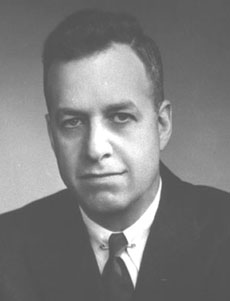
Ironically, mental health education, which aims to teach people how to cope more effectively with life, has instead increased the demand for psychotherapeutic help. By calling attention to symptoms they might otherwise ignore and by labelling those symptoms as signs of neurosis, mental health education can create unwarranted anxieties, leading those to seek psychotherapy who do not need it. The demand for psychotherapy keeps pace with the supply, and at times one has the uneasy feeling that the supply may be creating the demand.
– Frank, J. & Frank, J. (1993). Persuasion and Healing (p.8).
The field of counseling and psychotherapy has for years presented the puzzling spectacle of unabating enthusiasm for forms of treatment whose effectiveness could not be objectively demonstrated. With few exceptions, statistical studies have consistently failed to show that any form of psychotherapy is followed by significantly more improvement than would be caused by the mere passage of an equivalent period of time.
– Truax, C.B. & Carkhuff, R. (1976). Toward Effective Counseling and Psychotherapy: Training and Practice, (2017 edition).
Tana Dineen, Psychologist

The role of licensing in affecting client outcome and therapy effectiveness is to date mythical according to Bickman… Unfortunately, as mythical and meaningless as they may be, the average mental health consumer sees these licenses and certificates are totems of real professional power – as proof of the ability to understand, to help and to heal.
– Dineen, T. (2001.) Psychological Illusions: Professionalism and the Abuse of Power. In Boyd, S.C., Chum, D.E., & Menzies, R. (Ab)Using Power: The Canadian Experience, pp.162-173.
While snake oil had no effective agent, nothing that would fulfil its claims, it did have sufficient common alcohol to make people feel better for awhile or until their ailments naturally went away. Similarly, psychotherapy has no effective agent, but people… buy it, believe in it, and insist that it works because it makes them feel better about themselves for awhile. This change, if it can be called that, may well be derived from nothing more than the expression of concern and caring, and not from specialized treatment worthy of payment.
– Dineen, T. (1998). Psychotherapy: snake oil of the 90’s. Skeptic Magazine 6(3
The FB Project offered in-patient and out-patient services to the more than 42,000 child and adolescent dependents in the Fort Bragg catchment area for more than five years from June 1990 to September 1995… the FB study evaluated treatment effectiveness and outcome, not relying merely on reports of consumer satisfaction. Instead of questionable retrospective self-reports, this project relied on independent psychometric measures systematically taken both during and after treatment… Citing the lack of clinical outcomes as the most unanticipated finding, Bickman stated that these results should raise serious doubts about some current clinical beliefs about the effectiveness of psychological services. He continued that: although substantial evidence for the efficacy of psychotherapy under laboratory-like conditions exists, there is scant evidence of its effectiveness in real-life community settings. For children and adolescents, the picture is even more disappointing. We have no evidence for the effectiveness of innovative community-based treatments such as home-based care or day treatment.
– Dineen, T. (1998). Psychotherapy: snake oil of the 90’s. Skeptic Magazine 6(3
[T]here have been very few studies which have evaluated the effectiveness of treatment in real-world settings, and when these are analyzed, they show an average effect size very close to zero… In another major study designed to seek out such evidence, Bickman’s colleague, Bhar Weiss, carefully examined the effect of two years of traditional child psychotherapy as it is typically delivered in out-patient settings. What he found was not the expected benefits but rather no effect at all.
– Dineen, T. (1998). Psychotherapy: snake oil of the 90’s. Skeptic Magazine 6(3
Let me draw your attention to one of these, a classic study which examined the results of a number of other studies. In a review of therapy factors that account for significant client progress, Lambert calculated the per cent of improvement that could be attributed to each of several variables… He found that “spontaneous remission” (improvement of the problem by itself without any treatment) accounted for 40%, an additional 15% of the change resulted from placebo effects (which he referred to as “expectancy controls”, that is that the patient expected to get better no matter what was done,) while a further 30% improved as the result of common factors in the relationship such as trust, empathy, insight and warmth. Only 15% of the overall improvement could be attributed to any specific psychological intervention or technique. Based on these findings one could conclude that 85% of clients would improve with the help of a good friend and 40% without even that.
– Dineen, T. (1998). Psychotherapy: snake oil of the 90’s. Skeptic Magazine 6(3
Orlinsky and Howard concluded that there is no consistent evidence that any specific form of therapy produces better results than any other, whether it be individual or group therapy or family counseling, or short- compared to long-term treatment. Similarly, studies have shown that the length or intensity of treatment has no appreciable effect on the improvement of clients and that, despite loud arguments for long-term therapy, most change occurs in the first ten sessions.
– Tana Dineen (1996). Manufacturing Victims (2007 ed.), page 53
If the type, length and intensity of therapy generally have no significant effect on clients’ improvement, one would hope that at least the therapist’s training does. To examine this, Strupp and Hadley randomly assigned thirty clients with neurotic depression or anxiety reactions to either university professors who had no background in psychology or psychotherapy, or to professionally trained and accredited psychologists.38 They found that the professionals were no more effective than the untrained professors, as assessed on a number of measures of clients’ functioning. The only difference was that those treated by the professional therapists showed a bit more optimism; nevertheless, it failed to show any effect on their symptoms or functioning.
– Tana Dineen (1996). Manufacturing Victims (2007 ed.), page 54
In evaluating the effectiveness of a project designed to prevent delinquency in underprivileged children [Cambridge-Somerville Youth Study], 650 boys of six to ten years old were randomly divided into two groups with equal chances of delinquency. One group received individual therapy, tutoring and social services; the other received no services. The treated boys rated the project as “helpful” and the counselors rated two-thirds of the group as having benefited. However, the researcher, Joan McCord, followed the boys over time looking at effects on criminal behavior. The results showed little difference in terms of the number of crimes, but the counseled group committed significantly more serious crimes. A thirty-year follow-up showed the same pattern and revealed that, in terms of alcoholism, mental illness, job satisfaction and stress-related diseases, the treatment group was worse. McCord summarizes the results as “’More’ was ‘worse’: the objective evidence presents a disturbing picture. The program seems not only to have failed to prevent its clients from committing crimes… but also to have produced negative side effects…”
– Tana Dineen (1996). Manufacturing Victims (2007 ed.), page 54
Ditman studied three groups of alcoholics who had been arrested and charged with alcohol-related offences. The court had assigned these individuals to AA, an alcoholism clinic, or a nontreatment control group. A follow-up found that 44 per cent of the control group were not re-arrested, compared to 31 per cent of the AA group and 32 per cent of those treated in a clinic; those that received treatment did worse than the untreated. “Not one study,” Peele asserts, “has ever found AA or its derivatives to be superior to any other approach, or even to be better than not receiving any help at all. Every comparative study of standard treatment programs versus legal proceedings for drunk drivers finds that those who received ordinary judicial sanctions had fewer subsequent accidents and were arrested less.”
– Tana Dineen (1996). Manufacturing Victims (2007 ed.), p. 55
The implication is that violence is due to psychological factors and that psychologists are capable of understanding and doing something to eliminate it. However, recent research of the current, psychologically based “Sex Offender Program” used throughout the Canadian prison system, indicates that those deemed to have benefited the most from the program – were cooperative in group therapy sessions and apparently learn to empathize with their victims – are also those most likely to re-offend.
–Tana Dineen (1996). Manufacturing Victims (2007 ed.), page 80
Addiction treatment is a cash cow of the Psychology Industry, which has argued, in most cases successfully, that treatment of the “disease” ought to be covered by health insurance. The state of Minnesota has declared alcoholism to be a treatable disease and adopted legislation against the firing of employees who are unable to perform their jobs because of drunkenness. They must be treated at the employer’s (or insurer’s) expense, even though most of the data show treatment to be ineffective. A survey of Fortune 500 companies indicated that 79 per cent recognized that substance abuse was a “significant or very significant problem” in their organizations. However, when asked whether the treatment programs did any good, “the overwhelming majority saw few results from these programs. In the survey, 87 per cent reported little or no change in absenteeism since the programs began and 90 percent saw little or no change in productivity ratings.”
– Tana Dineen (1996). Manufacturing Victims (2007 ed.), page 102
[I]n the Stark County replication study, it was found that a group of children whose parents reported that their children received no mental-health services improved at the same rate as the children who received many services. This discouraging conclusion is not isolated. Weisz and his associates have conducted several meta-analyses of usual services, as distinct from laboratory studies, and have not been able to show that therapeutic services have any effect. Bickman reports that he has “yet to find any study of usual services in the field that has found a difference between treated and untreated children.”
– Tana Dineen (1996). Manufacturing Victims (2007 ed.), page 65
Michael J. Lambert, Psychologist

Despite evidence that psychotherapy has a positive impact on psychological disorders, 30% of patients fail to respond during clinical trials, and as many as 65% of patients in routine care leave treatment without a measured benefit. In addition, therapists appear to overestimate positive outcomes in their patients relative to measured outcomes and are particularly poor at identifying patients at risk for a negative outcome.
– Lambert, M.J. (2017). Maximizing Psychotherapy Outcome beyond Evidence-Based Medicine. Psychotherapy and Psychosomatics, 86 (2): 80–89.
So there you have it — professional answers to the question: “Does therapy work?”
Here are some other articles that may interest you —
Add retired professor of Social Worker William M Epstein to this list and his three key books the illusion of psychotherapy, psychotherapy as religion and psychotherapy and the social clinic in the united states, soothing fictions and Paul Maloney the therapy industry.
Sorry, I missed the Epstein bit above! but only one of his relevant books is quoted – try adding Dr. Farhad Dalal The CBT Tsunami. Great List by the way.
Thank you for your suggestions. Maybe I’ll look into them when I get some time.