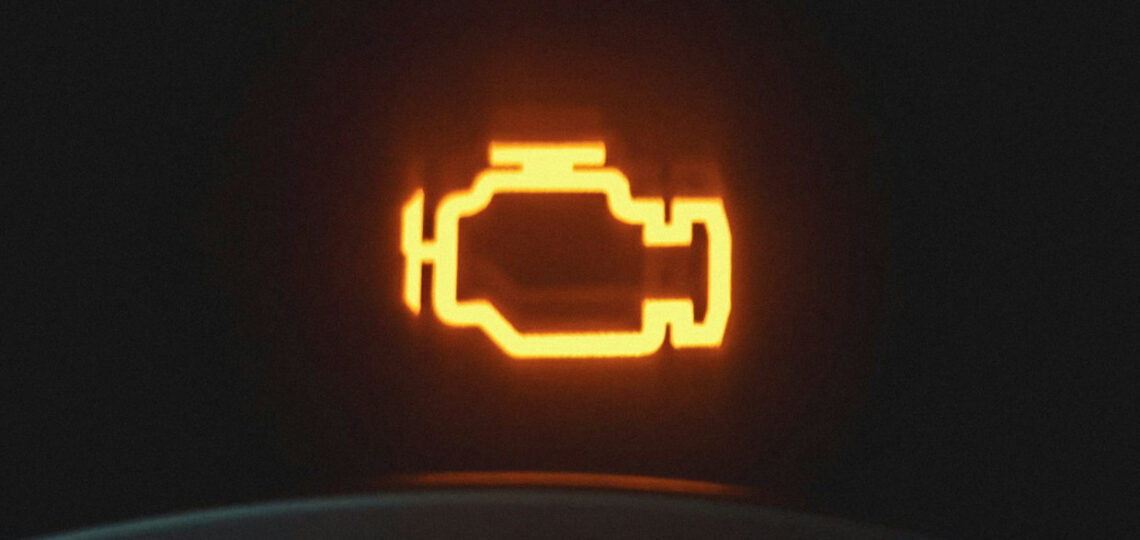
Mental Illness as a Check Engine Light
What if the bad mental health symptoms you are experiencing are simply red flags for an unhealthy lifestyle?
Let me address this with an analogy: what would happen to your car if you abused it?
Revved it into the red zone whenever you felt like it?
Neglected oil changes?
Never changed the brakes pads?
Even a child knows the answer to this: the car would fall apart. Initially, performance would drop, eventually followed by a complete breakdown. The brakes would fail; the engine would die. (One would hope the second thing would happen before the first if someone happened to be driving this doomed car.)
In order to run properly, a car must be maintained regularly. It must get oil changes, transmission drains, and so forth. Should the maintenance be lax or cease altogether, the car may run fine for some time but its condition will eventually deteriorate.
This begs the question: why would it be any different for people?
It is common observation that people with mental health problems tend to have less than healthy lifestyles.
A number will take recreational drugs, the effects of which on the brain can be likened to redlining a car. Many will stay up all night long and sleep in the day, thereby disrupting their hormone regulation. Some may go without sleeping for extended periods of time, due to factors such as drug abuse or anxiety issues. This can result in issues such as a poorer ability to regulate stress, attention problems and even hallucinations! I knew a patient who had reportedly stayed up on meth for an entire month, and she was coming down with dementia in her fifties.
Eating poorly is also not going to help one’s mental health. Is it really surprising if a person who eats what amounts to a gas station diet ends up with, say, cognitive issues like forgetfulness, as a result of nutritional deficiencies and toxin overload? If your main food groups consist of nutrient-void white bread, deli meats and packaged snacks loaded with questionable additives, soft drinks that are basically flavored sugar syrups, and alcoholic drinks that inhibit absorption of B vitamins and zinc… well, no amount of talk therapy will help with the resulting health effects. Unless you have been gifted with Betty White’s constitution, the diet must be corrected to see positive changes.
Of course, the causes of mental illness as a whole can not be narrowed down to merely a deficit of self-care, but doesn’t logic dictate that if mistreat your body, it’s not going to function at its best?
Like a car, a human being must receive proper care in order to remain healthy. If the care is lacking, the body and brain could start to malfunction. Have you ever, for example, missed a night of sleep and then noticed how poor your short term memory, judgment, or both became the next day? Imagine the long term effects on the brain when lack of sleep is an ongoing lifestyle pattern!
People need sufficient sleep, exposure to sunlight, fresh air, exercise, and healthy food for optimal functioning.
Sunlight is undervalued in mental health. Someone who stays indoors all the time or sleeps in the day will not see the sun and may develop a vitamin D deficiency. Also, consider this: if people can develop temporary depression due to shorter days during wintertime (known as SAD, or Seasonal Affective Disorder), then it’s no wonder that night owls tend to have depression!
Staying indoors all the time may also expose one to higher levels of indoor toxins, such as mold, which can cause symptoms such as fatigue and memory problems. Unfortunately, for those who live in polluted cities, going outside will not offer much respite. Research from Taiwan found that having ADHD is strongly correlated with living in a polluted city. For people living in a city with toxic air, relocation might be the best course of action. If relocation is completely out of the question, perhaps weekend getaways in nature or an indoor air cleaning unit could help.
Finally, exercise is also important. Our bodies were designed to move around during our waking hours, not sit glued to a chair all day. People who exercise often report relief from depression and stress. You have probably heard of the “runner’s high.” Consider that lymph, the fluid that acts as the clean-up crew of our bodies and the taxi for our immune system, does not rely on a specialized muscle such as the heart to circulate our bodies. Our body movements help propel it along. Lymph cleanses cellular wastes and excess fluid, which can reduce inflammation. This is very relevant to mental health, as inflammation has been linked to mood disorders. Does this mean that a daily half hour session of jump rope can take the edge off your mood disorder? It’s very possible – try it to see what happens.
If you are suffering from any type of mental health problem and you’re not sure what the cause is, it’s a good idea to take a look at your lifestyle, consider how well you are taking care of your body, and make adjustments as necessary. If you are not getting enough nutrition, make better food choices. If your days involve moving from the couch to the driver’s seat to the office chair, consider setting aside some time for exercise; and so forth. If the prospect of changing your lifestyle is overwhelming, try taking things one step at a time. I do believe the resulting benefits will motivate you to continue!
References:
1. Waters, F., Chiu, V., Atkinson, A., & Blom, J.D. (2018). Severe Sleep Deprivation Causes Hallucinations and a Gradual Progression Toward Psychosis With Increasing Time Awake. National Library of Medicine. https://pmc.ncbi.nlm.nih.gov/articles/PMC6048360/#!po=63.0435
2. Merikanto, I., Lahti, T., Kronholm, E., et al. (Jun. 2013). Evening types are prone to depression. National Library of Medicine. https://pubmed.ncbi.nlm.nih.gov/23688117/
3. Fan, H.C., Chen, C.M., Tsai, J.D., et al. (Dec. 2, 2022). Association between Exposure to Particulate Matter Air Pollution during Early Childhood and Risk of Attention-Deficit/Hyperactivity Disorder in Taiwan. National Library of Medicine. https://pmc.ncbi.nlm.nih.gov/articles/PMC9740780/#:~:text=In%20large%20population%2Dbased%20studies,15%2C16%2C17%5D.
4. Lymphatic system. (n.d.). Better Health. https://www.betterhealth.vic.gov.au/health/conditionsandtreatments/lymphatic-system
5. Jones, B.D.M., Daskalakis, Z.J., Carvalho, A.F., et al. (June 5, 2020). Inflammation as a treatment target in mood disorders: review. Cambridge University Press. https://www.cambridge.org/core/journals/bjpsych-open/article/inflammation-as-a-treatment-target-in-mood-disorders-review/D88A78CD1475E11E12D8D6825043C42E
6. Lymphatic System. (n.d.). Cleveland Clinic. https://my.clevelandclinic.org/health/body/21199-lymphatic-system
Was this article helpful? Here are some others that may interest you:
Nutritional Deficiencies that Can Make You Depressed
Your Bipolar Disorder Could be Hypothyroidism