Raspberry Leaf Tea & Other Herbs for PMS Blues
What if a convenient and fragrant tea made from red raspberry leaves could calm your PMS blues, leaving no need for antidepressants or hormonal contraceptive treatment? The inconvenient emotional roller coaster that some women experience before their periods (called premenstrual dysphoric disorder or PMDD in more extreme cases) can be a serious mental health concern, disrupting relationships and straining work and educational performance. Though it is hard to find scientific evidence for the benefits of red raspberry leaves for PMS, anecdotal evidence exists to support its usefulness.
I am not one to discount anecdotal evidence.
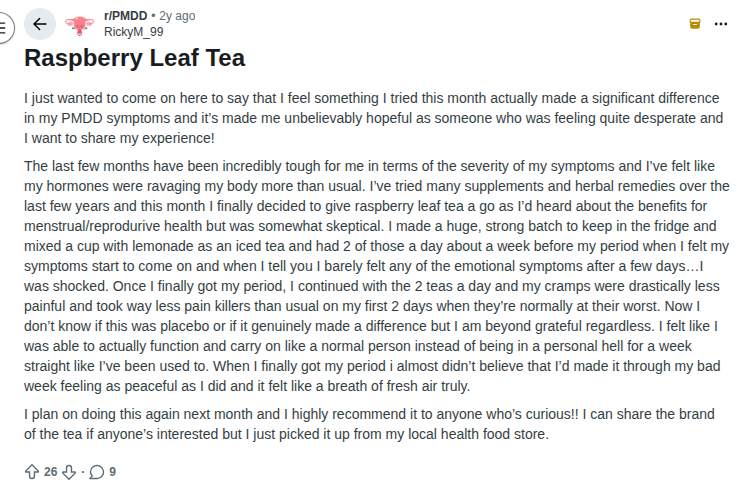
On Reddit, I found this account of a woman who found that taking the tea put a dampener on the emotional upheaval of PMS.
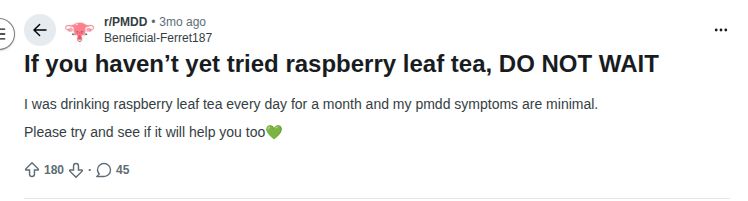
Another Redditor found relief for premenstrual dysphoria after she took the tea for a month.
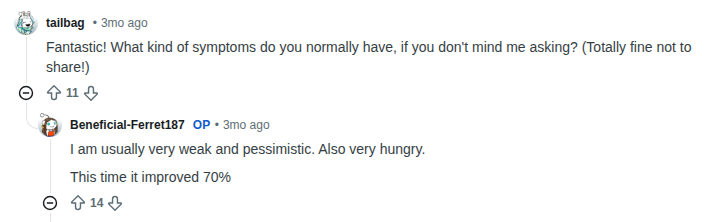
From the same thread above, yet another woman found relief from her PMS-induced mood issues by taking red raspberry tea.
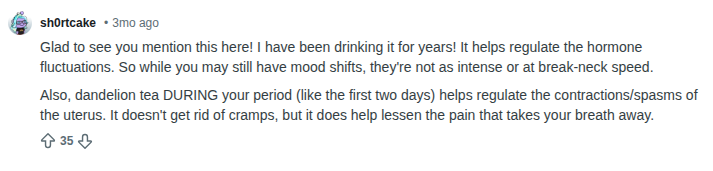
So, for a number of women, raspberry leaf tea really does take the edge off of period blues. By what mechanism does this happen? I wish there was more data on this, but scientific research into raspberry leaf tea is limited. Most of the information regarding its use for gynecological issues comes from historical herbal knowledge, where it has a reputation as “the woman’s herb.”
What is known is that raspberry leaves contain fragarine, an alkaloid compound which is known for its effect on the muscles of the uterus. Some sources say that it tones and tightens the uterus and others that it relaxes it. It must also have some sort of hormone balancing mechanism in order to explain the mood soothing effect. That, or perhaps these ladies are experiencing a particularly good placebo effect?
I don’t think so, and here is why.
Raspberry leaf is actually used to calm hormonal mares! I learned this when I came across a business selling a product called “The Moody Mare Raspberry” – which (as its name gives away) contains raspberry leaves. Apparently, the hormone-stabilizing properties of red raspberry leaves have a calming effect such that they are recommended not only for hormonal mares but also cranky stallions and geldings.
If the horses are finding benefit, I doubt they are only experiencing a placebo effect. That particular product did not have any reviews, so I found another red raspberry product with 601 reviews. The average rating is 4.4 out of 5, and from the written reviews, it seems most people are pleased with the effect of red raspberry leaves on their equines.
Moving onto to another mammal… research on rats discovered that red raspberry extract has an antidepressant effect. Administering this extract to stressed rats reduced signs of depression, oxidative stress, and inflammation and improved hormone levels. It seems they used an extract of the fruit rather than the leaves. Could it be a smart idea to add some raspberry fruits to your raspberry leaf tea?
Does red raspberry leaf work for everyone?
Unfortunately, no.
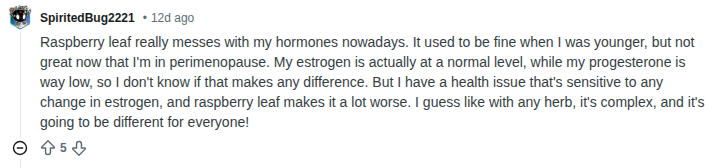
Going back to Reddit, here is a perimenopausal woman who actually experienced increased hormonal disruption with raspberry leaf tea.
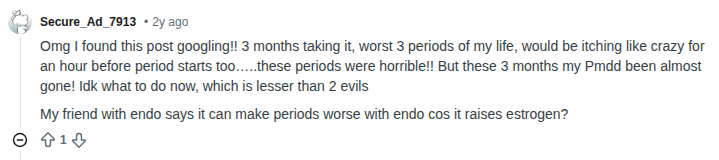
In a strange twist, this one woman experienced improved mental health symptoms but worse physical pain.
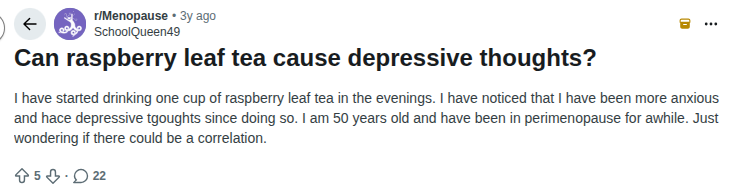
This lady noticed an uptick of depression and anxiety with raspberry leaf tea. I see that she was also perimenopausal. Maybe it doesn’t work that well for those in perimenopause?
I am only providing a fairly brief overview, so please do your research on any herb you intend to use.
Other herbs that could help with premenstrual dysphoria
Chasteberry: This Mediterranean shrub (Vitex agnus-castus) has peppery-tasting berries that have a long history of use for treating women’s health problems dating all the way back to ancient Greece, Rome, and Egypt. It actually has some decent research done with human participants demonstrating effectiveness in the treatment of PMS symptoms. German physicians even prescribe chasteberry for PMS!
Ginger: Most of us are familiar with this pleasant, spicy root. Did you also know that it can alleviate PMS mood swings? Research confirms that it can. This is such a convenient option for many because ginger is ubiquitous in grocery stores.
Peppermint: Peppermint works well to treat stomach pain, so it is makes sense that it can be helpful for alleviating PMS symptoms as well. Besides helping with mood, peppermint can come with an extra benefit of improved cognitive ability.
Chamomile: Known for its soothing properties, it should not come as a big surprise that chamomile can be helpful for premenstrual mood issues. Chamomile reduces stress, irritability, and anxiety. Like ginger and peppermint, it is also easy to find at grocery stores.
Lemon Balm: With its pleasant lemony-minty taste, lemon balm makes a calming tea that can help with PMS crankiness. Regarding its antidepressant effect, one study noted that lemon balm demonstrated “an antidepressant-like effect similar to imipramine [antidepressant psych drug] and this may have a potential clinical value for the treatment of depression.” Lemon balm also has shown significant benefit for anxiety and insomnia issues.
More articles: