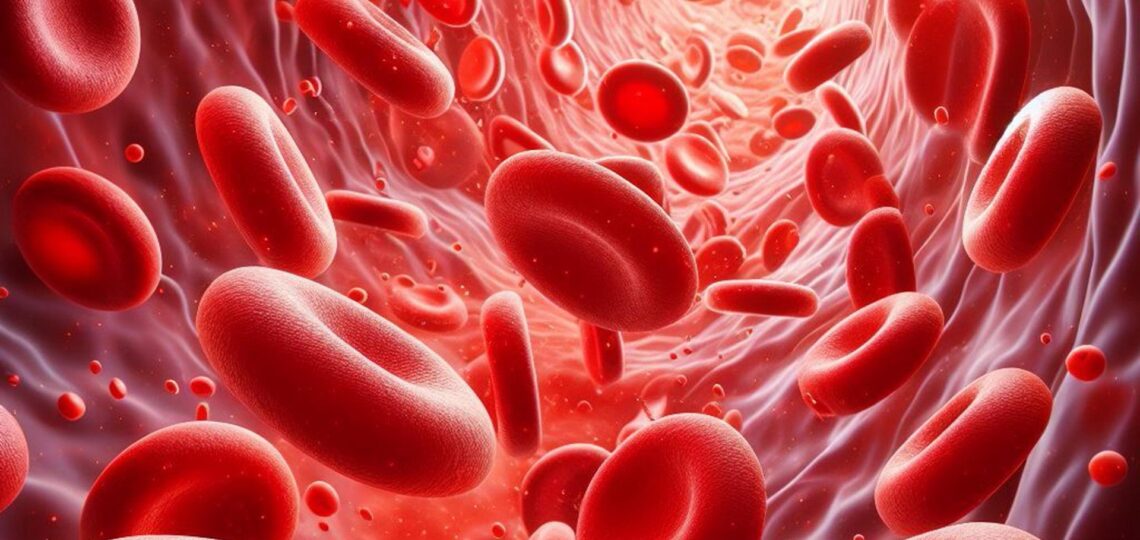
Increase Brain Blood Flow 2: Food (& more) to Increase Blood Flow
Earlier, I went over a variety of supplements, methods, and food to increase blood flow to the brain, thereby giving it more of what it wants – oxygen and nutrients. The benefits include a better functioning brain and potential healing of damaged tissues.
As promised, I am now back with 9 more ways to increase blood flow. While not everything listed below has research specifically indicating higher blood flow to the brain, it makes sense to me that something which generally increases blood flow should also increase blood flow to the brain as well.
Note that, of the foods mentioned, most if not all of them work by increasing nitric oxide levels. Nitric oxide is known as a “vasodilator,” meaning it relaxes and expands the blood vessels.
Garlic
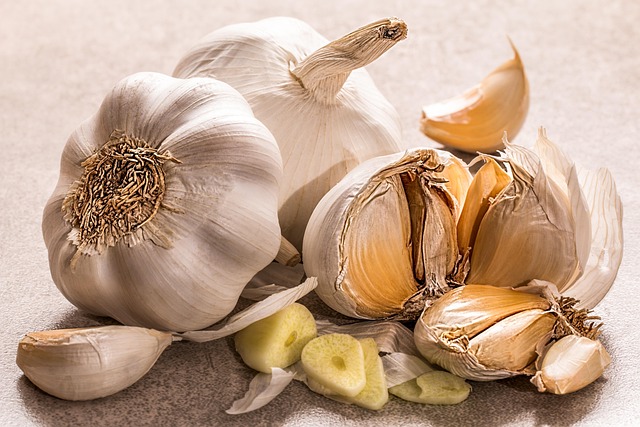
Garlic’s active compound allicin works by relaxing blood vessels and suppressing inflammation. Upon taking garlic tablets for a week, a group of volunteers had the blood flow in their legs tested, and their resting blood flow was found to have increased significantly. In another study from Korea, participants who took aged garlic were found to have increased blood flow in multiple tested areas – the brain, major arteries, and in peripheral tissue! A great thing about garlic is that you don’t have to purchase it in supplement form to get its benefits; you can simply pick up a bulb from the store (or dig one up from your garden) and add it to your food for a delicious taste!
Weight loss

Did you know that obesity is associated with brain atrophy, reduced brain volume, and premature aging of the brain? Systemic inflammation and insulin resistance are two of the reasons why this happens, and a third reason relevant to this topic is reduced blood flow to the brain. Reduced brain blood flow occurs not only in obese people but also in the overweight. Thankfully, weight loss (and exercise) can improve brain health. One study followed participants who lost weight by undergoing bariatric surgery. A year post-surgery, measures of brain health indicated that their brains presented 3 years younger!
Leafy Greens

The mechanism by which leafy greens boost blood flow is by providing the body with nitrates, which is then converted by body tissues to nitric oxide. Nitric oxide, as mentioned above, dilates blood vessels, allowing for greater flow. The research supports the benefits of leafy green consumption for brain health, with one study finding that “consumption of green leafy vegetables was associated with slower cognitive decline” and that participants consuming about 1 1/3 cups of leafy greens a day presented “11 years younger” cognition-wise! The choices of greens is wide, including spinach, cabbage, lettuce, chard, arugula, watercress, and so on. Note that some “greens” come in red, like red chard, red leaf lettuce, and amaranth leaves.
Chili pepper
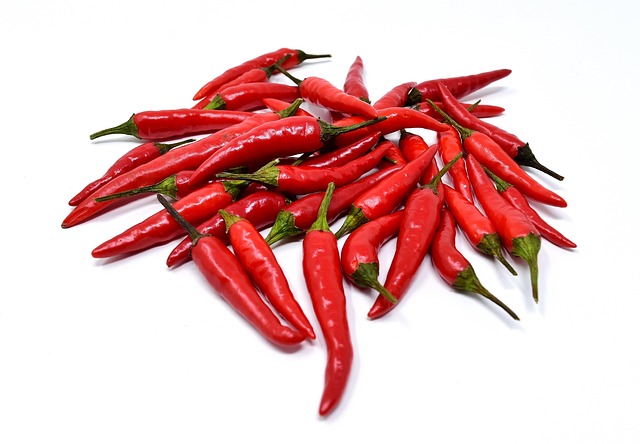
Thanks to the spicy component capsaicin, chili peppers like cayenne offer a wide range of brain health benefits. The first one of interest is, of course, increased blood flow. Cayenne in particular has been used historically to improve circulation. Studies using mice with Alzheimer’s disease demonstrated that capsaicin boosted memory and learning ability and also lessened beta-amyloid plaques. Other mouse studies discovered that capsaicin had neuroprotective benefits for Parkinson’s disease and stroke, and it can even relieve depression and headaches!
Beets
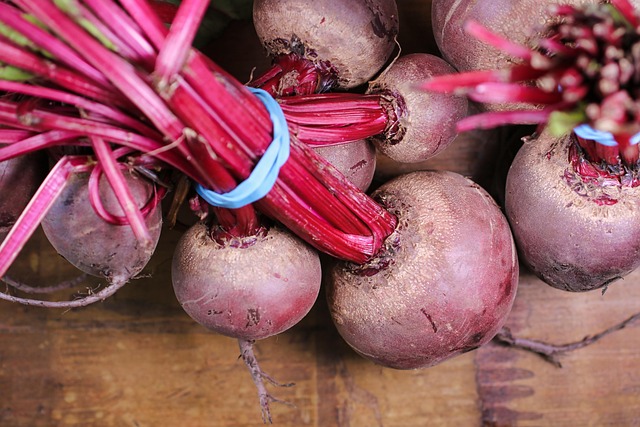
With one article labeling beets as “a major vasodilator food for its intense oxygen delivery,” these sweet and earthy roots are an excellent choice for brain health. Not only do they increase cerebral blood flow, they are also known for boosting exercise performance and tolerance. Research has even shown that consuming beet juice (and exercising) resulted in more youthful-looking brain networks. Personally, I think it’s wonderful that regular food can be used to increase blood flow to the brain.
Pomegranate
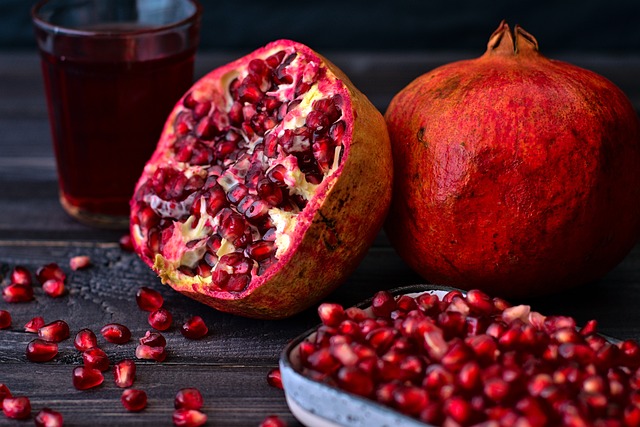
In a double-blind study, older participants drank pomegranate juice daily for a month. Afterward, they underwent brain scans, blood draws, and memory tests. The results? Their memory had improved significantly, their blood showed higher levels of antioxidant activity, and their brain activity had increased! Rich in polyphenols, pomegranate is an excellent fruit to consider for those seeking to use food to increase blood flow and therefore boost brain performance, decrease inflammation, and increase antioxidant activity.
Panax ginseng

Used medicinally for thousands of years, ginseng offers a host of benefits for brain health and is perhaps the most powerful brain tonic discussed on this page. Besides increasing blood flow to the brain, it promotes the growth of blood vessels and helps protect the brain from damage due to stroke. In addition to having cognitive-boosting effects such as improving memory and concentration, ginseng is also known as an adaptogen, meaning it is useful for stress relief.
High fat fish
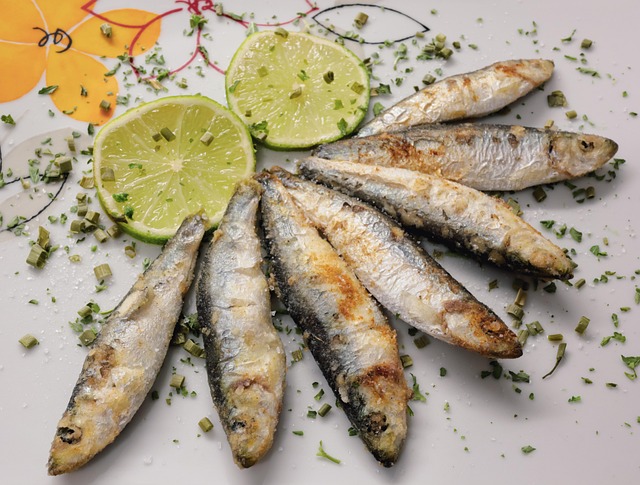
Fatty fish is yet another food you can use to increase blood flow to your brain. Examples of fatty fish include salmon, sardines, trout, mackerel, and anchovies. This is thanks to the omega-3 fatty acid content. Upon reviewing multiple studies of participants treated with omega-3s, a team of researchers concluded that “omega-3 improved learning, memory ability, cognitive well-being, and blood flow in the brain.” For people who prefer not to eat fish, vegan sources of omega-3 can be found in flax seeds and chia seeds.
References:
1. Anim-Nyame, N., Sooranna, S.R., Johnson, M.R., et al. (Jan. 2004). Garlic supplementation increases peripheral blood flow: a role for interleukin-6? The Journal of Nutritional Biochemistry, 15 (1). https://pubmed.ncbi.nlm.nih.gov/14711458/
2. Baik, J.S., Min, J.H., Ju, S.M., Ahn, J.H., et al. (Dec. 8, 2022). Effects of fermented garlic extract containing nitric oxide metabolites on blood flow in healthy participants: a randomized controlled trial. Nutrients, 14 (24). https://www.mdpi.com/2072-6643/14/24/5238
3. O’Brien, P.D., Hinder, L.M., Callaghan, B.C., & Feldman, E.L. (Jun. 2017). Neurological consequences of obesity. Lancet Neurology, 16 (6). https://pmc.ncbi.nlm.nih.gov/articles/PMC5657398/#S14
4. Knight, S.P., Laird, E., Williamson, W., O’Connor, J., et al. (Sep. 2021). Obesity is associated with reduced cerebral blood flow – modified by physical activity. Neurobiology of Aging, 105 https://pmc.ncbi.nlm.nih.gov/articles/PMC8600128/#sec0012
5. Zeighami, Y., Dadar, M., Daoust, J., Pelletier, M., et al. (Oct. 1, 2022). Impact of weight loss on brain age: improved brain health following bariatric surgery. NeuroImage, 259. https://www.sciencedirect.com/science/article/pii/S1053811922005328#sec0019
6. 20 Best Vasodilator Foods for Circulation. (n.d.) NutriGardens. https://nutrigardens.com/blogs/blog/20-best-vasodilator-foods-for-circulation
7. Morris, M.C., Wang, Y., Barnes, L.L., Bennett, D.A., et al. (Jan. 16, 2018). Nutrients and bioactives in green leafy vegetables and cognitive decline. Neurology, 90 (3). https://www.neurology.org/doi/10.1212/WNL.0000000000004815
8. Evidence supporting the use of: cayenne pepper for the health condition: circulation (poor). (n.d.) Caring Sunshine. https://caringsunshine.com/relationships/relationship-circulation-poor-and-cayenne-pepper-2/
9. Pasierski, M. & Szulczyk, B. (Apr. 12, 2022). Beneficial effects of capsaicin in disorders of the central nervous system. Molecules, 27 (8). https://pmc.ncbi.nlm.nih.gov/articles/PMC9029810/
10. Pietre, M., Rejeski, W.J., Basu, S., Laurienti, P.J., et al. (Nov. 9, 2016). Beet root juice: an ergogenic aid for exercise and the aging brain. Journals of Gerontology Series A: Biological Sciences and Medical Sciences, 72 (9). https://pmc.ncbi.nlm.nih.gov/articles/PMC5861951/
11. Bookheimer, S.Y., Renner, B.A., Ekstrom, A., Li, Z., et al. (Jul. 22, 2013). Pomegranate juice augments memory and fMRI activity in middle-Aged and older adults with mild memory complaints. Evidence-Based Complementary and Alternative Medicine. https://pmc.ncbi.nlm.nih.gov/articles/PMC3736548/
12. Al Damen, L., Stockton, A., & Al-Dujaili, E.A.S. (May 23, 2018). Effects on cognition of berry, pomegranate, grape, and biophenols: a general review. The Journal of Prevention of Alzheimer’s Disease. https://www.jpreventionalzheimer.com/3165-effects-on-cognition-of-berry-pomegranate-grape-and-biophenols-a-general-review.html
13. Oliynyk, S. & Oh, S. (Apr. 2013). Actoprotective effect of ginseng: improving mental and physical performance. Journal of Ginseng Research, 37 (2). https://pmc.ncbi.nlm.nih.gov/articles/PMC3659633/
14. Zhao, A., Liu, N., Yao, M., Zhang, Y., et al. (Jul. 7, 2022). A review of neuroprotective effects and mechanisms of ginsenosides from panax ginseng in treating ischemic stroke. Frontiers in Pharmacology. https://pmc.ncbi.nlm.nih.gov/articles/PMC9302711/
15. Dighriri, I.M., Alsubaie, A.M., Hakami, F.M., Hamithi, D.M., et al. (Oct. 9, 2022). Effects of omega-3 polyunsaturated fatty acids on brain functions: a systematic review. Cureus, 14 (10). https://pmc.ncbi.nlm.nih.gov/articles/PMC9641984/
More articles for you to enjoy below!
Your Star Sign (and Birth Chart Reading) Is Bunk: the Scientific Case Against Astrology
Hope for Healing Brain Damage from Getting Shot, Dementia, Etc!