
Biological Causes of Mental Illness
In a previous article, I pointed out that, if you have a mental illness, there is usually nothing wrong with you biologically. None of the major psychiatric disorders are diagnosed using data from medical tests, though extensive effort has gone into trying to make that happen. I worked with numerous mental health providers and can not recall any of them using medical tests to check for health problems. You can find a few psych providers that will think outside of the DSM box and do medical tests, but such are not the norm. This is problematic, because certain medical conditions can cause symptoms of mental illness, and I will be getting into a number of these below. This list is by no means exhaustive.
Thyroid Disorders
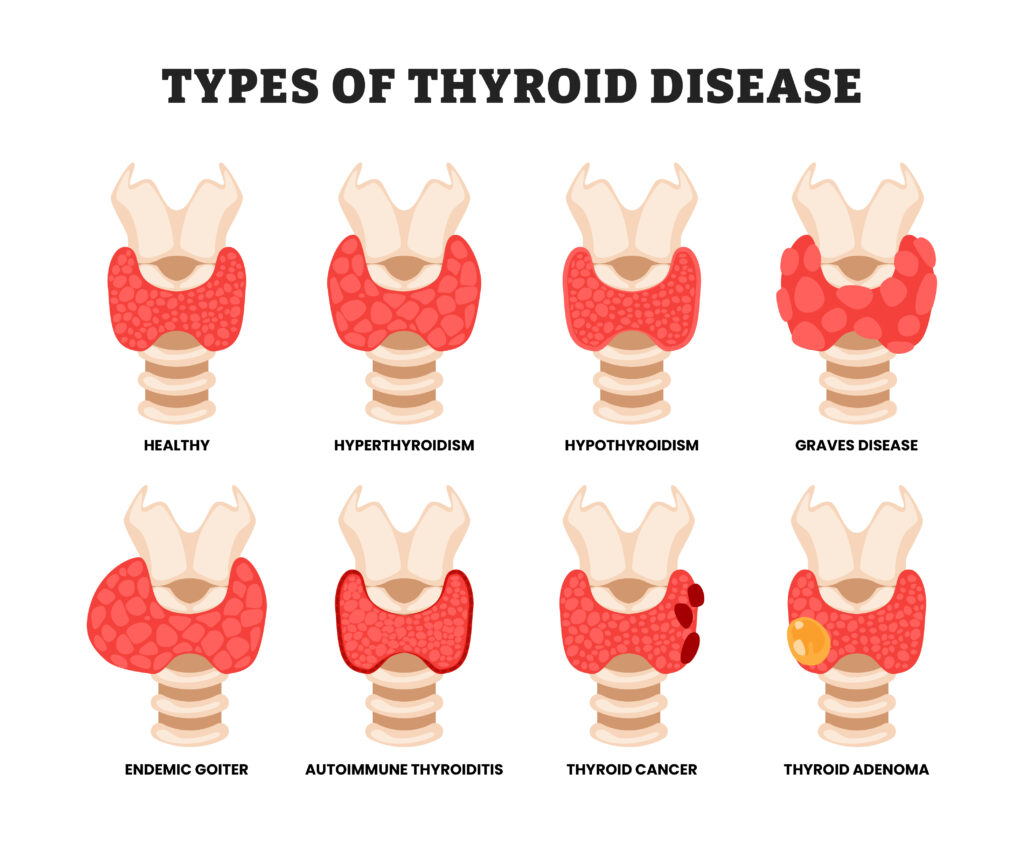
The thyroid, a butterfly-shaped gland at the front of the throat, regulates our energy needs, growth, body temperature, and metabolism. Disorders of the thyroid disrupt its functioning by either speeding it up (hyperthyroidism) or slowing it down (hypothyroidism). Such disruptions produce a variety of psychiatric symptoms, from depression to anxiety and even psychosis in extreme cases (thyrotoxicosis).
I have had the opportunity to observe a diagnosis of thyroid disorder in the charts of multiple bipolar patients. This happened too frequently, in my estimation, for it to be a coincidence. I went into more depth on the topic of thyroid disorders here, including a case of a woman (Holly) who was misdiagnosed with bipolar disorder, when her symptoms were actually caused by an overactive thyroid. The hyperthyroidism itself was caused by gut problems, which brings me to the next condition:
Leaky gut
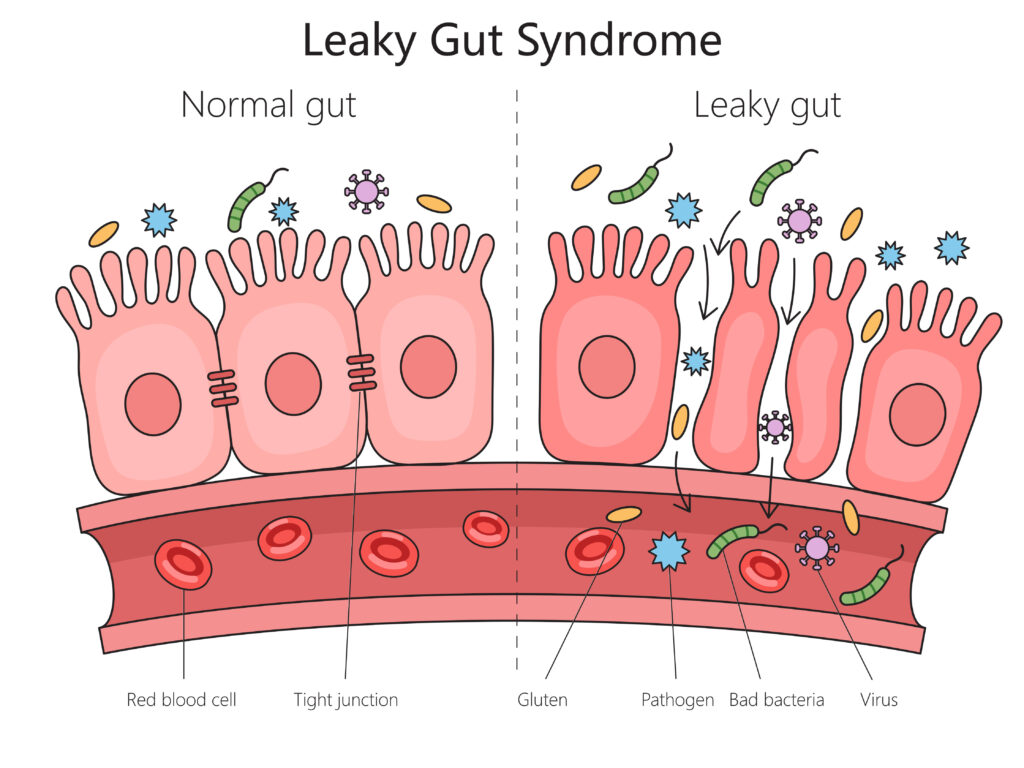
In this article, Dr. Jeremy Shmoe gives a great summary of what exactly leaky gut is:
Leaky gut is a condition in which the lining of the small intestine becomes inflamed, damaged, and porous. This allows undigested foods, bacteria, fungus, and other foreign invaders into the sterile environment of the bloodstream. Once in the bloodstream these toxins trigger the immune system, causing inflammation and lead to a long and varied list of symptoms. Chronic conditions associated with leaky gut include depression, joint pain, Crohn’s disease, food allergies, eczema, psoriasis, asthma, autoimmune diseases and more.
The article goes on to give ten possible causes of leaky gut: poor diet, some medications, infections, chronic stress, hormonal imbalances, autoimmune disorders, certain industrial methods of processing foods, toxins in the environment, vitamin D deficiency, and a lack of glutathione.
In Holly’s case above, her anxiety and depression were caused by hyperthyroidism, which was in turn caused by gut issues. Upon going on a special diet and adding specific supplements, her gut healed, her thyroid re-balanced, and her mental health symptoms subsided.
Lupus
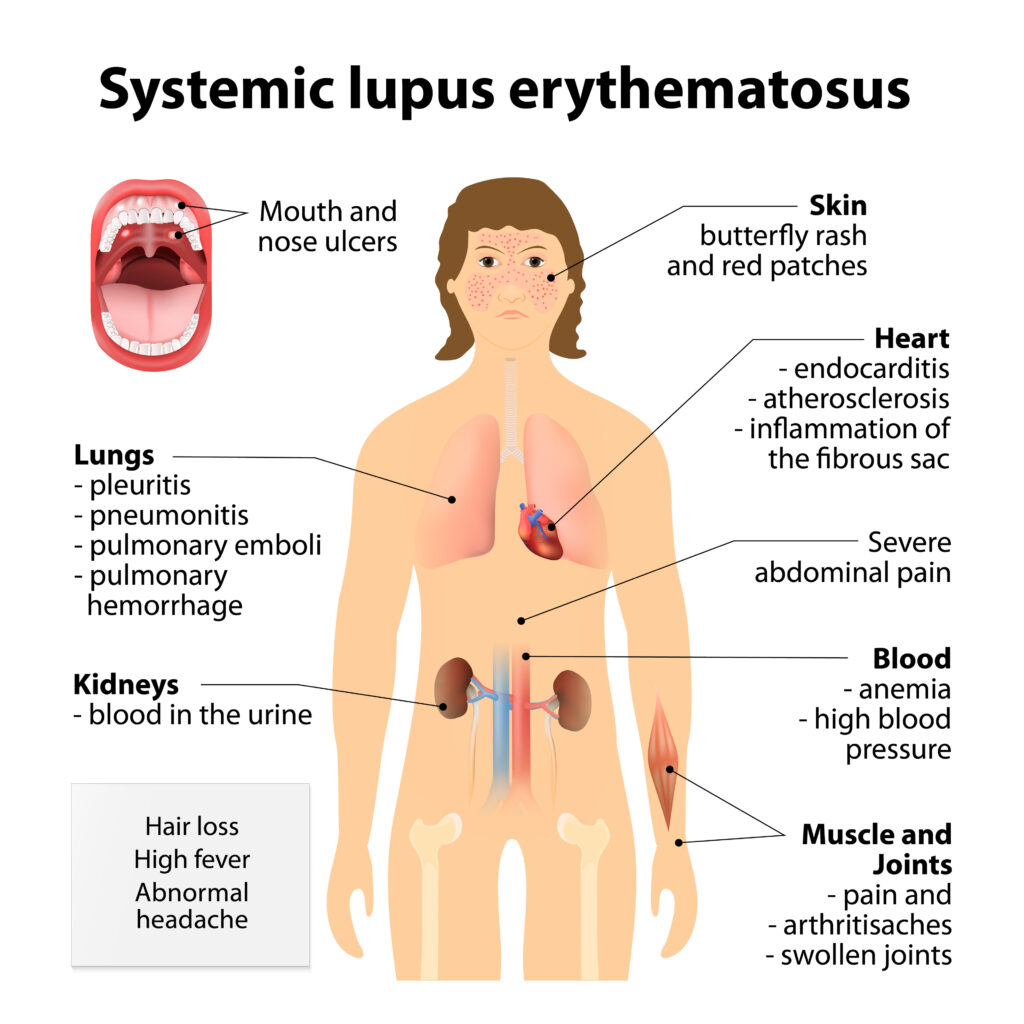
A couple of years ago, the case of April Burrell appeared in the news. After experiencing an unspecified trauma while in university, April had began hallucinating and was subsequently diagnosed with schizophrenia. Her condition deteriorated into a helpless, zombie-like state of catatonia. Psychiatric medication and the medieval-level treatment of electroshock therapy were useless to improve her condition.
Psychiatrist Sander Markx, who had been in medical school when he first saw her, found out almost twenty years later that she was still living in a psychiatric ward. In a move unusual for a psychiatrist, he ran medical tests on her and discovered she was suffering from lupus that was attacking her brain. After treatment with an immune suppressant and steroids, April emerged from her catatonic state. She was able to leave the psych ward and reconnect with her family, her early memories (interestingly enough) intact.
April’s was not the only known case of psychosis by lupus. Another woman, Devine Cruz, came down with psychotic symptoms in childhood and received diagnoses of schizoaffective disorder and intellectual disability. Unlike April, she already had a diagnosis of lupus, but no one put two and two together. She was pumped with psych meds, and these did not resolve her low-functioning state but rather caused unpleasant side effects.
About a decade into her illness, Sander Markx treated her also for the lupus, resulting in apparently complete remission not only of her psychiatric symptoms but also the intellectual disability.
Other autoimmune conditions
According to Dr. Susan B. Trachman –
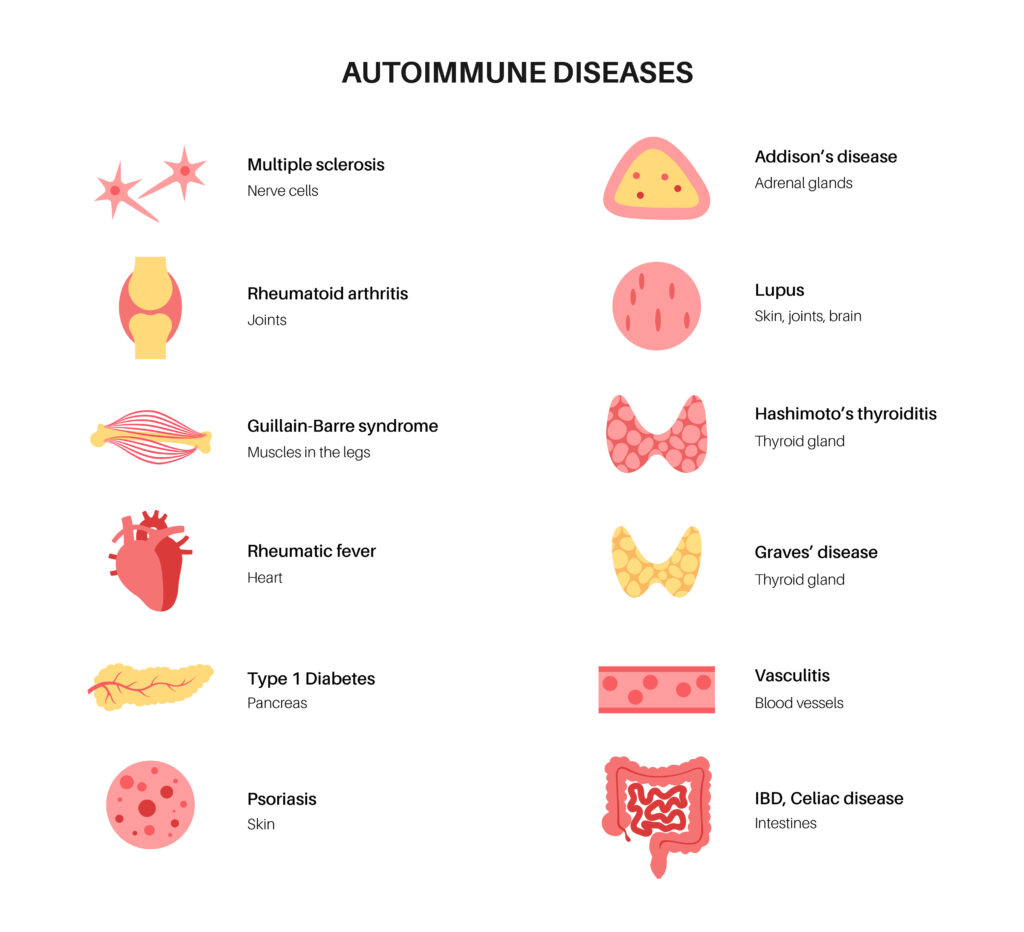
There is significant overlap between autoimmune disorders and psychiatric symptoms. Many patients with autoimmune disorders are misdiagnosed with a psychiatric illness. There are serious consequences when an autoimmune disorder is missed or misdiagnosed.
Psychiatric symptoms of autoimmune disorders can run the gamut from depression to mood issues, anxiety to fatigue, and also sleep issues and psychosis.
Lupus, of course, is an autoimmune disorder. Thyroid disorders also can be autoimmune in nature (Hashimoto’s and Grave’s disease). Other autoimmune disorders that have been found to present with symptoms of psychiatric disorders include Sjogren’s syndrome (in which the immune system attacks the tear ducts and salivary glands) and scleroderma (immune system affects connective tissues, skin, and potentially internal organs). Sydenham’s chorea, PANDAS and PANS are similar autoimmune disorders affecting children. They are triggered by streptococcal infections, though PANS can have a wider range of triggers. All three are associated with OCD and tic symptoms.
Sepsis
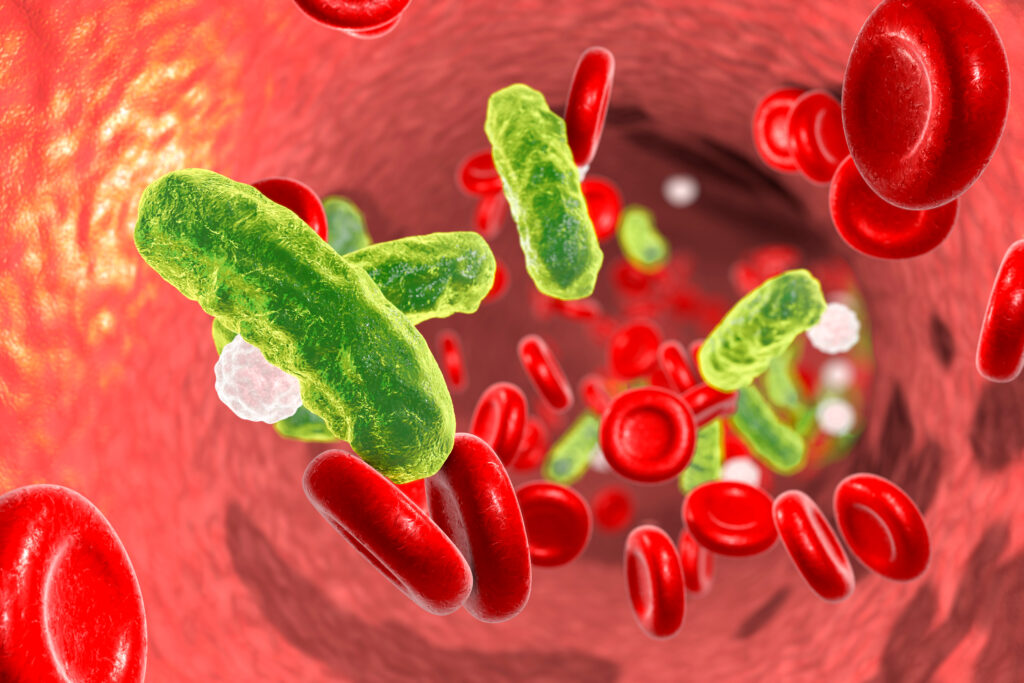
Did you know that going septic from an infection could make you psychotic? It’s true. When I was working in corrections, an inmate on one of the yards I worked at went septic from a urinary tract infection. She then became suddenly and floridly psychotic, though she had no prior history of psychosis.
Her regular psychiatrist was pumping her with higher and higher doses of the antipsychotic Haldol – to no effect. At some point, the lead psychologist sought help from a particularly competent psychiatric nurse practitioner who worked on other yards. Having a background in medical, this psych NP recognized that this inmate did not fit the profile for a schizophrenic and was instead experiencing a medical event. His advice? Get her on an ambulance to the hospital or she will be leaving in a body bag. His advice was taken and her life was spared, whereas if she had been left to the care of her regular psychiatrist, she would have certainly died.
Mold toxicity

Have you ever heard of sick building syndrome, or SBS? Did you know that living in a moldy home could make you mentally ill?
In an instance of this happening, a young man sought help from a psychiatrist for symptoms of brain fog, sleep issues, and anxiety. The psychiatrist ended up referring him to a medical doctor, who traced the onset of his symptoms to him moving into a moldy basement. He was found to have “high levels of mold toxins in his body.” The article goes on to conclude:
This patient improved with proper treatment and remediation of the mold problem. Here was a patient who didn’t need any psychiatric medications; he simply needed the correct diagnosis and appropriate treatment. What would have been the outcome for this patient without the proper diagnosis? He almost certainly would have been misdiagnosed as having a mental illness and treated (unsuccessfully) with psychiatric medications.
Of note, research has uncovered an increased risk of depression for those who live in moldy homes compared to those that do not. Another study (done on mice) found that mold exposure can cause memory deficits; there are also other anecdotes of people who have been around mold and report symptoms such as anxiety, fatigue, and brain fog.
Head injury
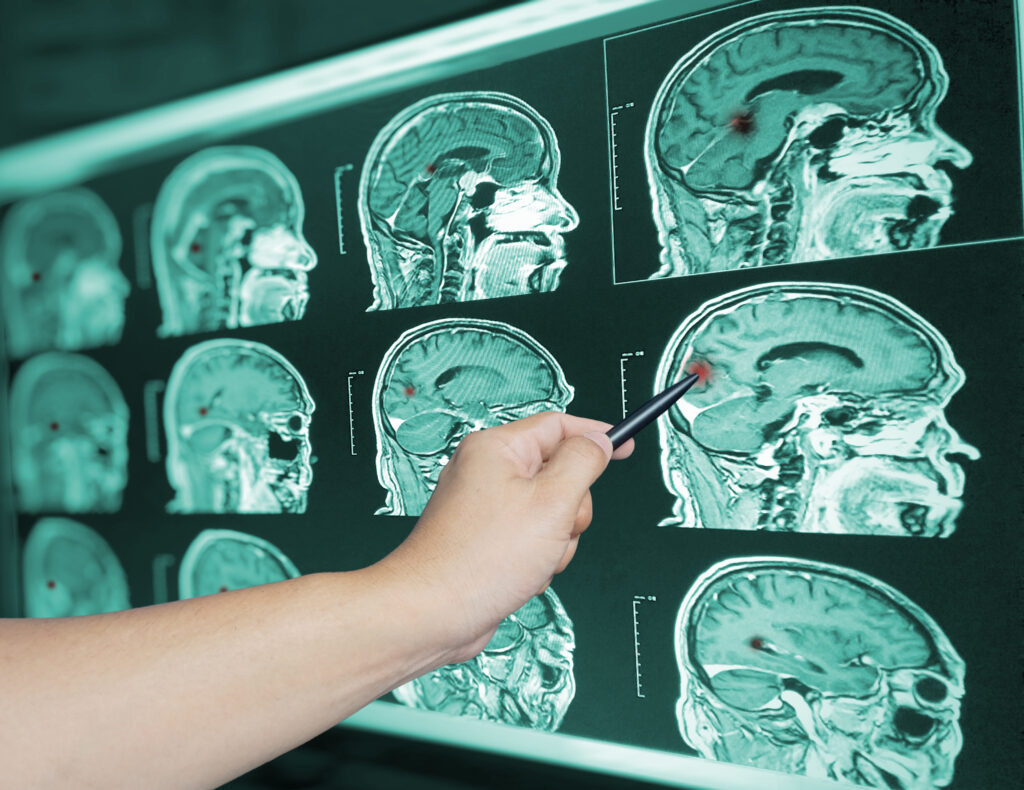
I think that people tend to underestimate the potential long-term harm that can result from a head injury. Mental health workers unfortunately do so as well. It is rather strange that psychiatry in particular, though it is considered a branch of medicine, mostly ignores the organ it purports to treat – the brain. This is truly unfortunate because physical damage to the brain will show up on and can be diagnosed with a brain scan.
According to this research study, “[p]sychiatric disorders after traumatic brain injury (TBI) are frequent;” major depression is a significant one.
Sometimes, symptoms from a concussion take much longer to resolve than the normal two weeks or so, dragging on months or even years. This is known as persistent post concussive syndrome. Symptoms relevant to mental health include decreased ability to handle stress, memory and focus issues, deficit of attention, slower thinking ability, sleep problems, irritability, apathy, and anxiety.
On a case by case basis, I think it can be hard to say how much of the psychiatric symptoms are due to the physical damage itself or are simply a reaction to it. At any rate, it is good to pinpoint the origin of the problem, as apparently there are steps one can take to help heal the brain, including certain supplements and hyperbaric oxygen therapy.
Syphilis

Under the video “Syphilis Is Changing Like We’ve Never Seen… in Seattle,” I found this telling comment:

The STD that brought about the demise of a number of famous historical people, including the notorious gangster Al Capone, is back on the scene, with US cases increasing by 80% after nearly being wiped out in the 1990s. Some of its symptoms can be mistaken for a psychiatric disorder.
In a medical case report, a man who had undergone unsuccessful psychiatric treatment ended up in the hospital for symptoms such as hallucinations, memory loss, hostility, and aggression. There, he was found to have neurosyphilis (syphilis that has spread to the brain). He received the standard treatment of penicillin. Unfortunately, once the bacteria spreads to the brain, it is too late to reverse the damage already done, as was the case for this individual.
Such is the danger of syphilis – in its latent stage, it can remain, asymptomatic, in the body for up to three decades, before attacking major organs like the brain, eyes, or heart.
Vitamin B12 deficiency

Do you associate B12 deficiency with vegans? Yes, B12 deficiency certainly happens to vegans who don’t supplement, but there are so many other factors that can result in omnivores experiencing this problem as well, which I outlined in this article.
An adolescent boy received medical help for symptoms consistent with the psychiatric diagnosis of mood disorder with psychotic features. He cried a lot, spent his parent’s money recklessly, and slept less; also, he experienced agitation, memory problems, distractibility, and irritability. Regarding the psychotic features, he heard ringing and knocking sounds, saw a “white, man-like shape,” and smelled odors that were not really there, like tobacco or burnt rubber.
After undergoing multiple tests, his true diagnosis turned out to be B12 deficiency resulting from absorption problems due to an overgrowth of H. pylori. Though he briefly received an antipsychotic in order to stay stable during medical treatment, he experienced a complete remission of his psychiatric symptoms in six months via a treatment protocol including B12 shots and antibiotics.
Other nutrient deficiencies

B12 deficiency is perhaps the most known nutritional deficiency to cause psychiatric problems, but it is not the only one.
A deficiency of thiamine can make you depressed, irritable, and anxious, and can also give you insomnia. A lack of folate can lead to depression. Low vitamin D is known for its association with depression, and it is also one of the most common nutrient deficiencies among Americans. Low levels of zinc are associated with depression, anxiety, irritability, and brain fog. Low iron is the most common nutrient deficiency in the world, and it is associated with depression and anxiety.
As with B12, I discussed these in more depth here.
Toxoplasmosis

Is there something to the “crazy cat lady” stereotype? Well, it certainly looks that way.
Toxoplasma gondii is a parasite that can be found in cat feces and contaminated soil or water, in raw meat or milk of infected animals, and on unwashed produce. Cats are the only known host through which this parasite can sexually reproduce. T. gondii can, however, infect other animals and also humans and form cysts in muscle and brain tissue. The resulting infection is called toxoplasmosis, and those with good immune systems experience mild to no symptoms.
However, that sadly is not the case for everybody: research shows “strong evidence” tying toxoplasmosis to bipolar disorder, schizophrenia, and suicidality. The study goes on to link 27.3% of bipolar cases, 20.4% of schizophrenia cases, and 0.29% of suicidal behavior to toxoplasma gondii infection.
The possibility that over a quarter of bipolar cases and a fifth of schizophrenia cases could be caused by a parasitic infection is… staggering. Thankfully, toxoplasma infection is rather easy to avoid in the West by cooking animal products, washing produce, and avoiding contact with litter boxes.
Insulin resistance/unstable blood sugar/metabolic syndrome

Could a diabetic state or the pre-diabetic state of metabolic syndrome be a factor behind mental illness? Considering that a number of people experience hanger from just missing one meal, it would be logical to conclude that ongoing disruptions in blood sugar and metabolism might have longer-lasting impacts on mental health. The research is inclined to agree.
This 2019 study found that slightly over half of bipolar patients have insulin resistance and that these patients develop cognitive deficits and don’t respond to treatment (meaning psych meds). Other studies found a possible connection between schizophrenia and insulin resistance. I will note that antipsychotics themselves tend to create insulin resistance/metabolic syndrome. That said, metabolic syndrome has been observed in schizophrenics before antipsychotics were even developed. More research discovered that diabetes is more common among those with OCD than those without.
Some pretty decent evidence exists to back up the idea that metabolic issues could be a factor in mental illness. Treatment-resistant bipolar subjects who were given metformin, a medication used for Type 2 diabetes, experienced a significant drop in depression scores. The improvement appears to have happened specifically for those whose insulin resistance was resolved by the treatment. Moreover, Psychiatrist Dr. Chris Palmer reports using the keto diet, which is often prescribed for insulin resistance, to successfully treat patients for mental illness.
Did you find this article useful? You may want to check these out as well: