
Probiotics for Good Mental Health and Where to Get Them
If you are into health and wellness, you likely have already heard of the gut-brain connection. Talk of the gut-brain connection is growing, as evidence mounts that the friendly bacteria colonizing the gut, known as probiotics, can boost mental health. Even some in the mental health industry are taking a break from talk therapy and drugs to look into probiotics. They even coined a new word for them – “psychobiotics,” because psych people need a fancy new label for everything.
Our gut contains what is known as the enteric nervous system, which has 100 million neurons, as compared with the 100 billion neurons we have in our brains 1. Because of this, it is sometimes called our “second brain.” Our gut also creates neurotransmitters, even 95% of the serotonin in the body and 50% of the dopamine 1, 2.
The gut communicates back and forth with our brain via the vagus nerve and affects our moods and emotions. We are all familiar with experiencing a sinking feeling in our gut when something goes wrong or with a “gut feeling” in regards to intuition.
But it doesn’t stop there. Multiple research studies indicate that (for some people) relief for depression and anxiety can be as easy as a bottle of probiotics away 3, 4. More bizarrely, other research found that swapping gut bacteria between mice can give them the donor mice’s personality traits; that is to say, shy mice that get gut microbes from bold mice then become bold, and vice versa 5. In another study, mice that had no gut bacteria were found to be less stress-tolerant than those that do, and when they get populated with gut bacteria, their stress tolerance goes up 6.
At this point, you might be wondering if bacteria can do something similar for humans, and you would be on the right track. Fecal transplants are a reality, and in studies done on humans, all recipients experienced a positive change in regards to depression and anxiety when they received a fecal transplant from healthy donors 16.
In a previous article, I noted that people can suffer poor mental health when their bodies are not receiving what they need for peak performance. In this case, it appears that the standard modern diet and environment are not furnishing our gut with the beneficial microbes it needs. In fact, the modern Western microbiome has been found to lack a significant percentage of microbes discovered in the analysis of ancient people’s microbiomes – maybe even close to 40% 7! Diet is not the only way we are losing microbes – the popularity of c-section births is also depriving a number of infants of beneficial microbes imparted through the birth canal 8.
Probiotics can be found in fermented foods. It’s hard to find clear data on this, but I believe that our ancestors ate more probiotic food than we do, as they had to rely more extensively on fermentation to preserve their foods in lieu of refrigeration. On a side note, our ancestors also did not have to deal with all the antibiotics, pesticides, sanitizers, and irradiated foods we have today.
So, how do we know if a given food has probiotics in it? In general, if it’s not in a fridge, it’s not probiotic, and if it has been pasteurized after fermenting, it’s not probiotic. For example, on the internet, I’ve seen sourdough bread been listed as a source of good bacteria, which is nonsense because who eats raw bread dough? The good bacteria are all killed in the oven.
For your convenience, here is a pretty extensive list of probiotic foods.
Yogurt
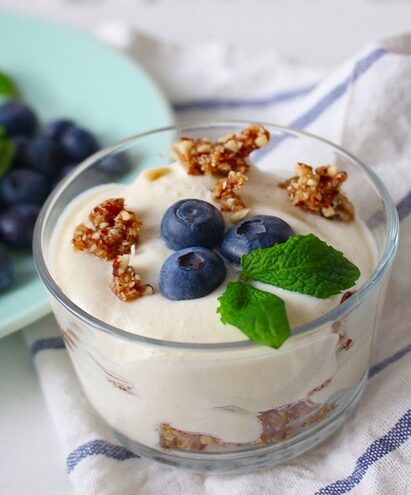
Who isn’t familiar with yogurt? Yogurt is not limited to dairy and can be made from vegan options, such as coconut milk, cashews, and oats.
Kefir
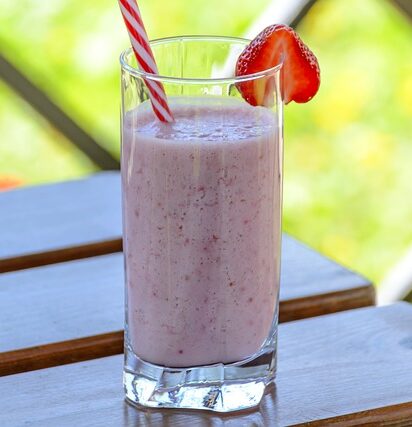
Similar to yogurt but contains yeasts, more probiotics, and down to half the sugar 9. People with lactose intolerance may find they do better with kefir than yogurt. That said, kefir can also be made with water and sugar or fruit juice.
Select cheeses
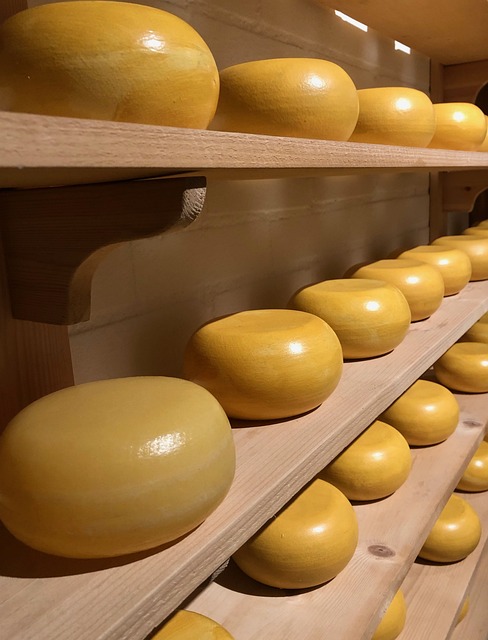
Did you know that cheese can be probiotic? It’s true – many cheeses are made using cultures (friendly bacteria), and if the finished product is not heated, it will be probiotic 10, 11. Yes, you can find probiotic cheddar and Gouda 10. I have even seen probiotic cream cheese and cottage cheese.
Pickles
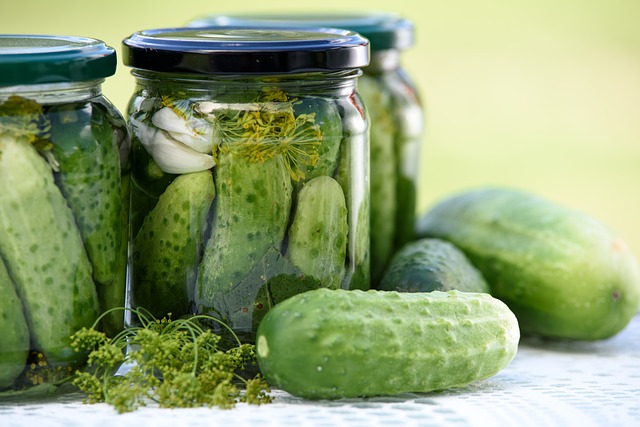
Fermented cucumbers. Most store-bought pickles are made in a vinegar solution and therefore have no probiotic properties. Look for fermented pickles in the refrigerator – or make your own. It’s easy!
Sauerkraut
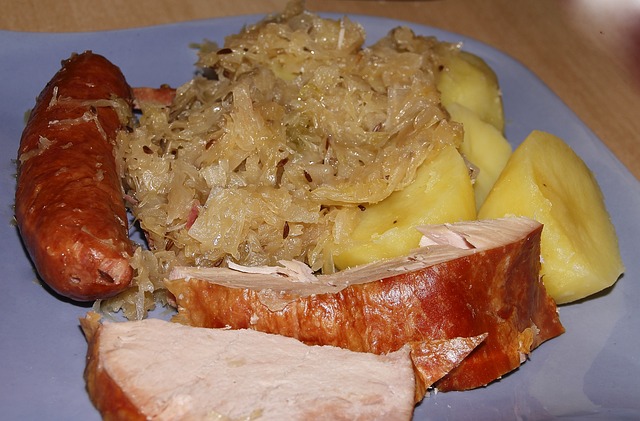
Fermented chopped cabbage. As with cucumber pickles, you’ll want to get your sauerkraut from a jar in the fridge, not the pasteurized canned stuff on the shelf.
Kimchi
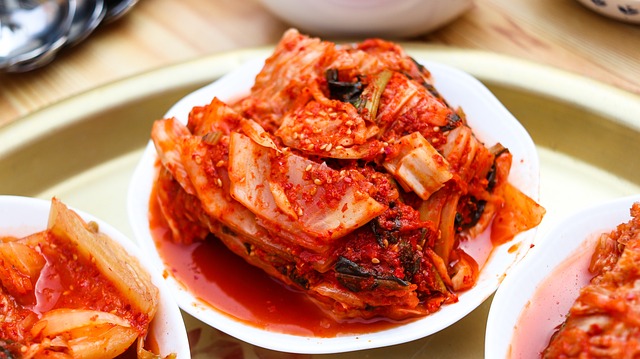
The spicy Korean counterpart of sauerkraut, made with seasonings like chili paste and ginger.
Lacto-fermented vegetables in general
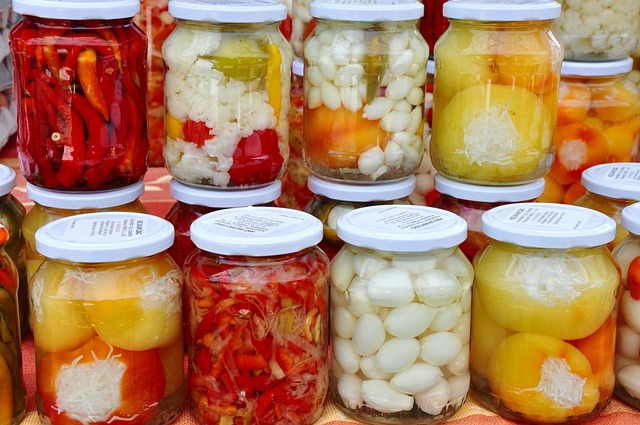
Any kind of vegetable can be fermented. Onions, cauliflower, carrots, beets – the possibilities are vast!
Umeboshi (pickled plums)
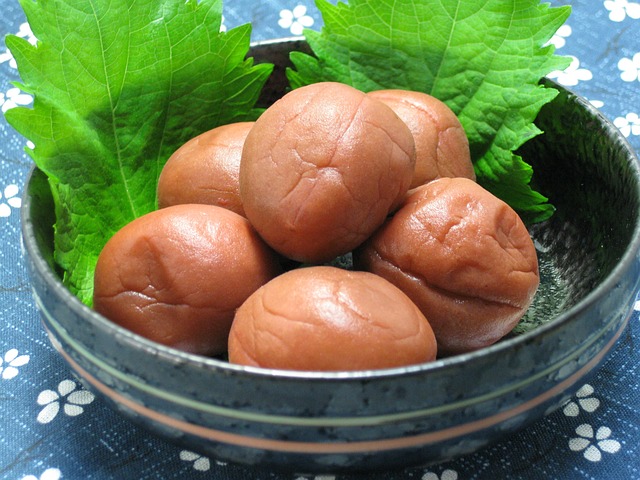
Fermented sour and salty Japanese ume fruit, which is similar to an apricot or plum.
Olives in brine
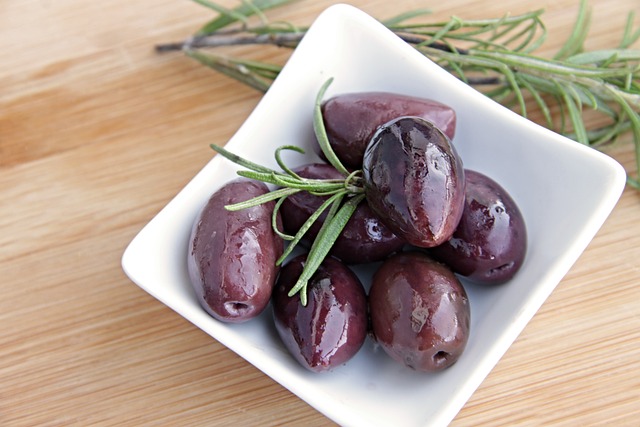
Fresh olives are bitter and unpalatable and must be cured (fermented) in salt brine to be palatable 13. Therefore, if they are not pasteurized afterwards, they will contain good bacteria.
Apple cider vinegar
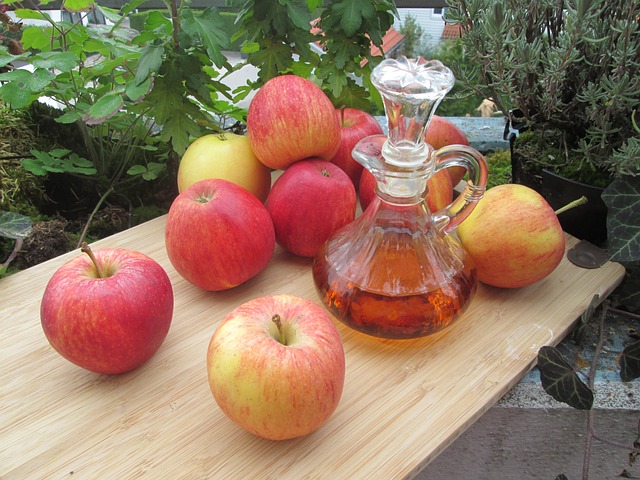
There is a bit of controversy here, with some parties believing the probiotic effect to be negligible.
Miso
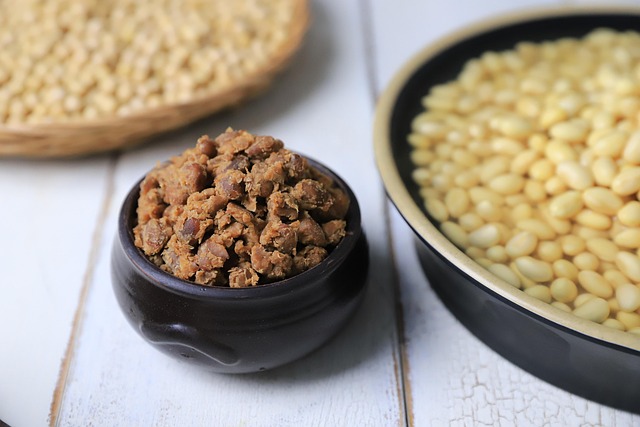
Fermented soybean paste. Some sites promote miso soup as a source of probiotics, but that would only work if the miso is added after the soup has cooled.
Tempeh
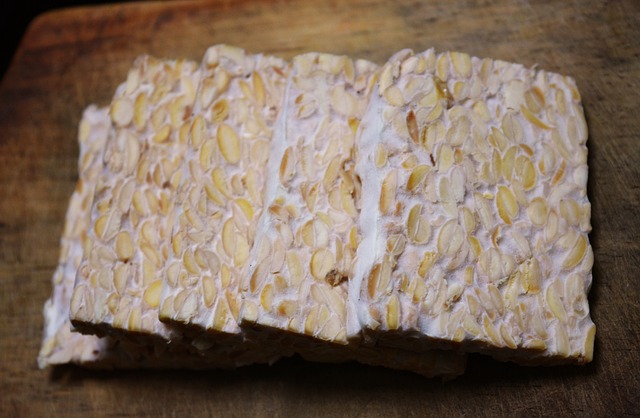
Tempeh can be described as a fermented version of tofu. It originates from Indonesia and is made with whole soybeans rather than soy milk.
Sour Cream
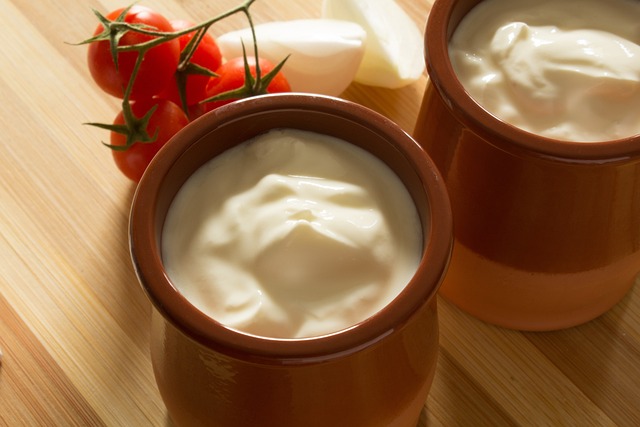
Is sometimes called “cultured cream.” Crème fraiche is also a type of sour cream.
Buttermilk
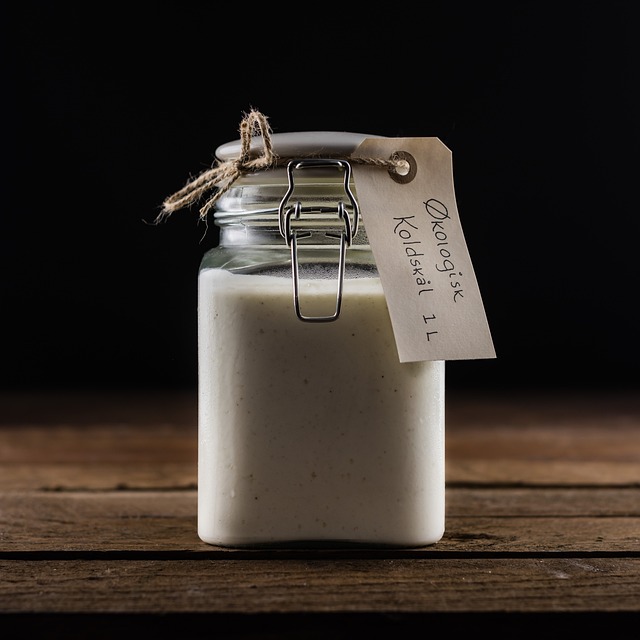
Buttermilk can be saved from the butter-making process, or it can be made on its own 12. Either way, if it contains cultures, it’s probiotic.
Natto
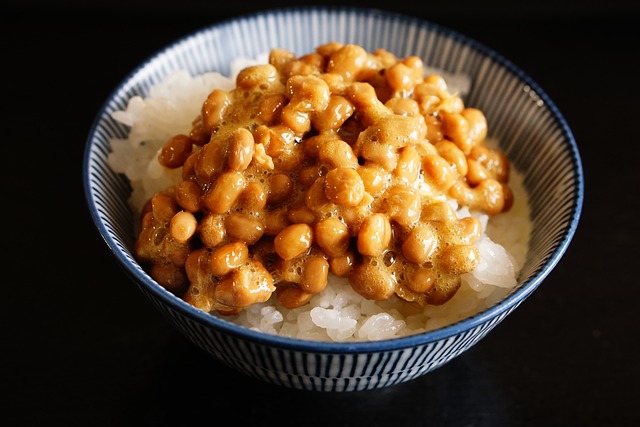
Strong-smelling, slimy fermented soybeans, typically eaten with breakfast in Japan, natto can be considered an acquired taste. Natto is also an excellent source of Vitamin K2.
Kombucha
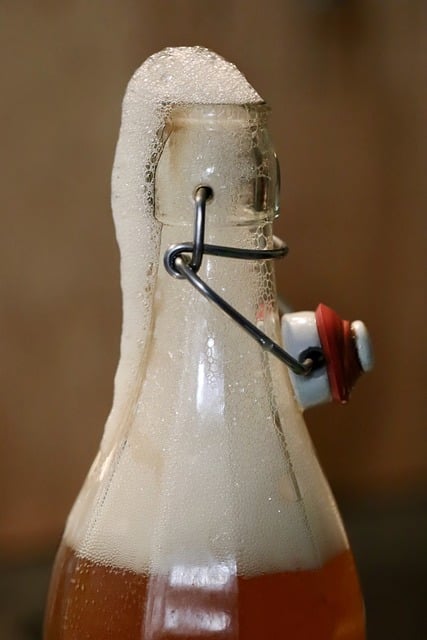
A fermented drink made of black tea, likely of Chinese origin.
Kvass
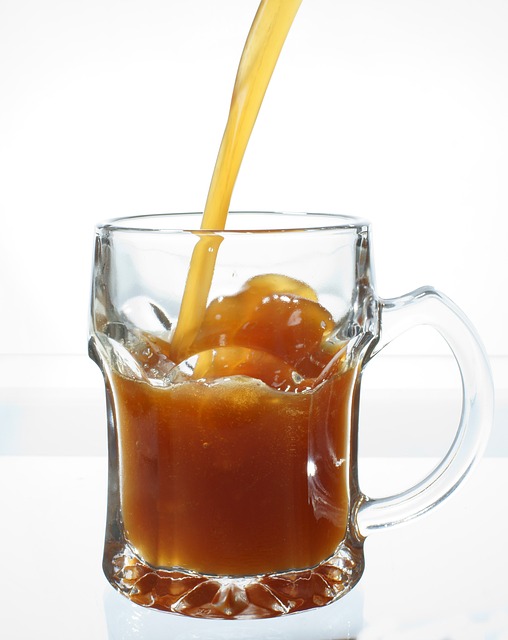
This Slavic fermented drink is usually made from toasted bread, yeast, and fruit or even beets.
Salt-brined pickled eggs
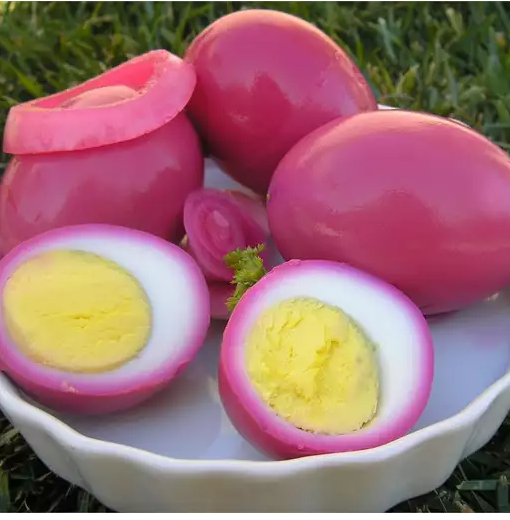
Hard-boiled eggs can be pickled in a salt brine. The pretty pink color in the above example likely comes from beets.
Fermented meats
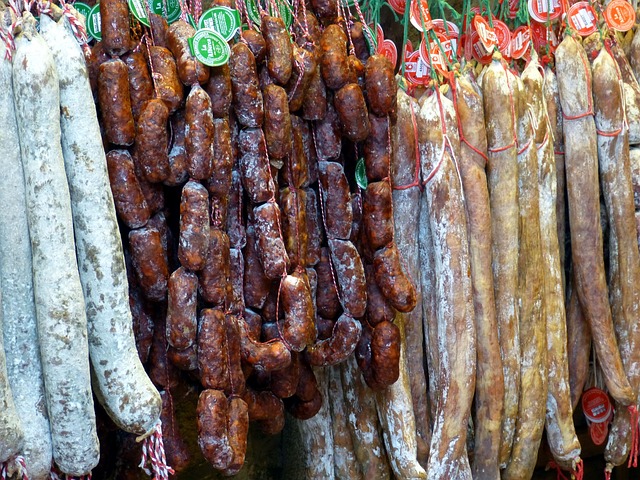
Did you know popular meats like chorizo, pepperoni, and salami are fermented? However, eating these uncooked may not be the most appealing option for those concerned about the danger of the common ingredient, raw pork.
Wine
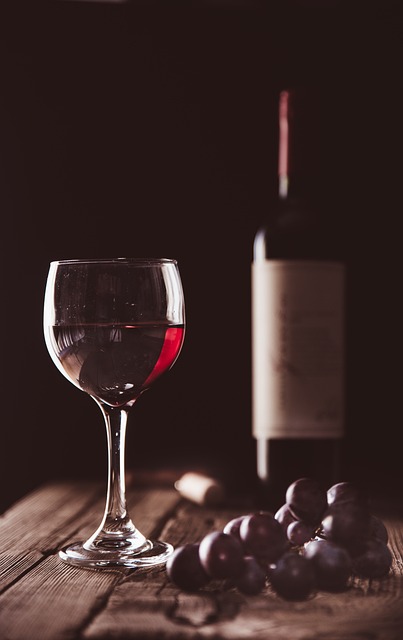
Wine contains probiotics, which should not be surprising due to its fermented nature 14.
Beer
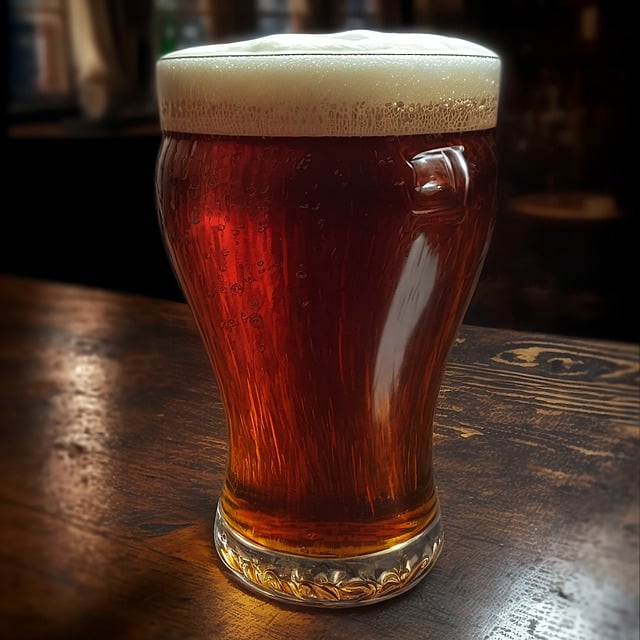
Beer also can contain probiotics, but there’s a catch – the probiotics are normally present only in twice fermented traditional beers 15.
References:
1. Gerrie, H. (n.d.). Our second brain: more than a gut feeling. The University of British Columbia. https://neuroscience.ubc.ca/our-second-brain-more-than-a-gut-feeling/#:~:text=Comprised%20of%20100%20million%20neurons,spinal%20cord%20or%20peripheral%20nervous
2. Xue, R. Zhang, H., Pan, J., Du, Z., Zhou, W., et al. (2018). Peripheral Dopamine Controlled by Gut Microbes Inhibits Invariant Natural Killer T Cell-Mediated Hepatitis. Frontiers. https://www.frontiersin.org/journals/immunology/articles/10.3389/fimmu.2018.02398/full
3. Bistas, K.G. & Tabet, J.P. (2023). The Benefits of Prebiotics and Probiotics on Mental Health. Cureus. https://www.cureus.com/articles/166270-the-benefits-of-prebiotics-and-probiotics-on-mental-health#!/
4. Madabushi, J.S., Khurana, P., Gupta, N., & Gupta, M. (2023). Gut Biome and Mental Health: Do Probiotics Work? Cureus. https://www.cureus.com/articles/161905-gut-biome-and-mental-health-do-probiotics-work#!/
5. Shen, H.H. (2015). News Feature: Microbes on the mind. National Library of Medicine. https://www.ncbi.nlm.nih.gov/pmc/articles/PMC4522824/#:~:text=In%20one%20striking%20demonstration%2C%20scientists,more%20anxious%20BALB%2Fc%20strain.
6. Sudo, N., Chida, Y., Aiba, Y., Sonoda, J., Oyama, N., et al. (2004). Postnatal microbial colonization programs the hypothalamic–pituitary–adrenal system for stress response in mice. National Library of Medicine. https://www.ncbi.nlm.nih.gov/pmc/articles/PMC1664925/
7. Bender, E. (2021). The Guts of Our Ancestors. Harvard Medical School. https://hms.harvard.edu/news/guts-our-ancestors
8. Coelho, G.D.P., Ayres, L.F.A., Barreto, D.S., Henriques, B.D., Prado, M.R.M.C., & Passos, C.M.D. (2021). Acquisition of microbiota according to the type of birth: an integrative review. National Library of Medicine. https://www.ncbi.nlm.nih.gov/pmc/articles/PMC8294792/
9. Godwin, R. (2022). Milk Kefir vs Yogurt – Which is Better For You? Essential Stacks. https://essentialstacks.com/blogs/gut-health/milk-kefir-vs-yogurt#referencing
10. Is cheese a healthy source of probiotics? (2023). Harvard Health Publishing. https://www.health.harvard.edu/staying-healthy/is-cheese-a-healthy-source-of-probiotics
11. Cheese Cultures Explained: Everything You Need to Know. (2021). The Cheesemaker. https://www.thecheesemaker.com/blog/cheese-cultures-explained-everything-you-need-to-know/#:~:text=Cheese%20cultures%20are%20a%20group,more%20rich%20and%20developed%20flavor.
12. Mattox, C. & Robertson, T. (Updated 2022). So What Is Buttermilk, Exactly, and How Do You Make It? Country Living. https://www.countryliving.com/food-drinks/a30273717/what-is-buttermilk/
13. Filippone, P.T. (Updated 2023). How to Cure and Brine Olives at Home. The Spruce Eats. https://www.thespruceeats.com/brining-and-curing-olives-1808582
14. Garcia-Ruiz, A., de Llano, D.G., Esteban-Fernandez, A., Requena, T., Bartolome, B., & Moreno-Arribas, M.V. (2014). Assessment of probiotic properties in lactic acid bacteria isolated from wine. National Library of Medicine. https://pubmed.ncbi.nlm.nih.gov/25084666/
15. Reedy, J. (2021). Beer is Fermented—So Does That Mean It Contains Probiotics? InsideTracker. https://blog.insidetracker.com/beer-fermented-contain-probiotics
16. Meyyappan, A.C., Forth, E., Wallace, C.J.K., & Miley, R. (June 15, 2020.) Effect of fecal microbiota transplant on symptoms of psychiatric disorders: a systematic review. National Library of Medicine. https://pmc.ncbi.nlm.nih.gov/articles/PMC7294648/
Relevant articles:
Nutritional Deficiencies that Can Make You Depressed
Pretty nice post. I just stumbled upon your blog and wanted
to say that I have truly enjoyed browsing your
blog posts. After all I’ll be subscribing to your rss feed
and I hope you write again soon!
Thank you for your kind comment!