How to Increase Brain Blood Flow
In “Yes, You Really Can Reverse Brain Damage!” I explored three known methods for reversing brain damage. Two of those methods worked by increasing brain blood flow; therefore, one can conclude it is very good to increase brain blood flow!
It makes sense that increasing the brain’s blood supply has a healing effect, since brain tissues are then exposed to higher levels of nutrients and oxygen and waste products are more promptly removed. The average adult has a three pound brain that comprises just 2% of his or her total weight, yet expends one fifth of overall caloric and oxygen intake. The brain in particular loves oxygen. As one WebMD article aptly put it, “The brain is a glutton for oxygen.”
So, how do we give the brain more of what it wants? Well, let’s go over some methods!
Hyperbaric oxygen therapy
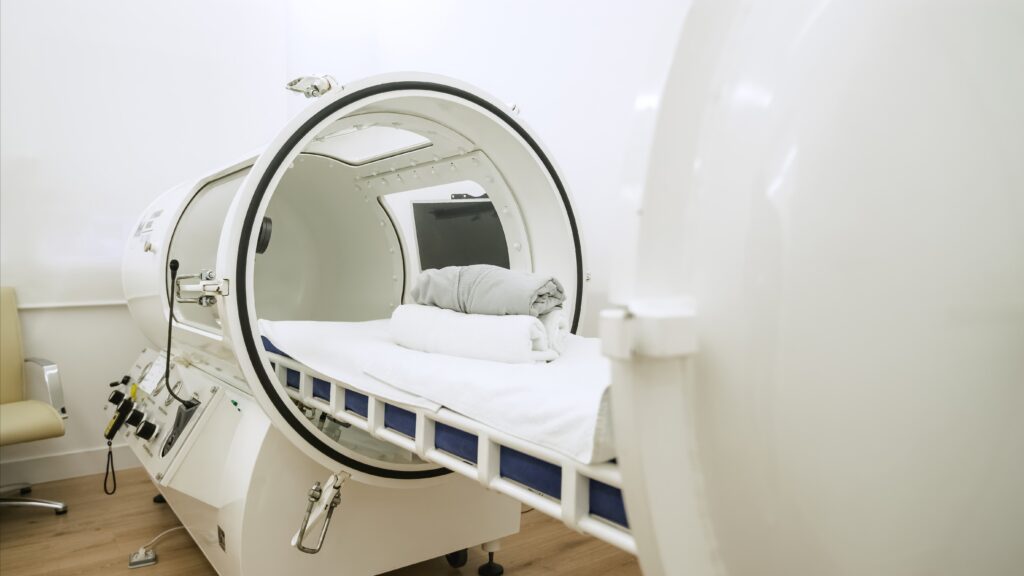
At sea level, air contains mostly nitrogen (78%) and is only 21% oxygen. Though this is perfectly fine for everyday life, a higher level of oxygen is helpful to accelerate healing, as is increased pressure to force it deeper into brain and body tissues. This is exactly what hyperbaric oxygen therapy (HBOT) does for clients – exposes them to pure oxygen inside a chamber or tank that has been pressurized one and a half to three times above standard atmospheric pressure. The oxygen is carried deeper into tissues than under normal conditions, reaching areas where blood flow is poor and even stimulating the growth of new blood vessels! HBOT is known to be helpful for healing wounds, regenerating tissue, fighting infection, and treating carbon monoxide poisoning.
Ginkgo

The unique-looking leaf of the ginkgo tree is famous for its use as a nootropic, nootropics being substances that improve brain performance. A rat study demonstrated ginkgo leaf extract’s potential for increasing blood flow to the brain. Another study on humans with dementia revealed gingko to have positive effects on memory and speed of thinking. Going back to my previous article on methods of healing of the brain, in one of those methods, a supplement containing ginkgo extract was used along with multiple other self-care interventions to successfully increase blood flow and cognitive performance in retired football players with brain injuries. Ginkgo appears to work mainly by widening blood vessels to allow more flow; it also regulates neurotransmitters, thins blood, and combats free radicals.
Vincopetine
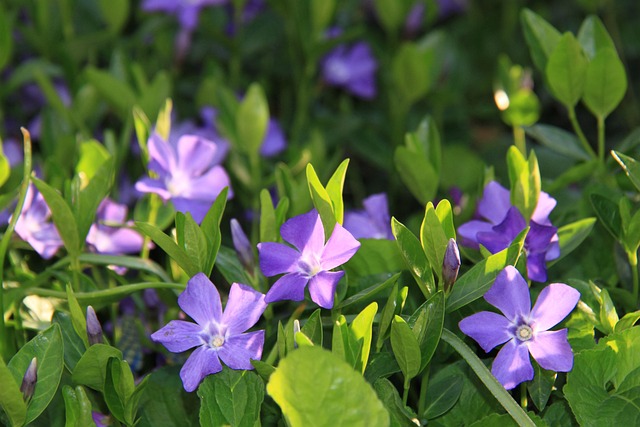
You might know periwinkle (Vinca minor) plants for their beautiful violet-blue flowers. Did you know they have a medicinal use? Besides ginkgo, vincopetine is the other substance that was used in the blood-vessel dilating supplement that was given to the former football players to increase brain blood flow. This particular substance is synthesized from periwinkle plants. Research has shown that vincopetine dilates blood vessels in the brain, therefore increasing blood flow. Moreover, it also boosts brain metabolism, possesses antioxidant and neuroprotective properties! However, it might not be safe for use by pregnant women.
Exercise

What is the quickest and most accessible method to get more blood flowing to your brain? Get moving! Studies show that exercise increases cerebral blood flow regardless of age. However, it appears that not just any kind of exercise counts. Per research, moderate intensity and high intensity exercise are better to get blood pumping to the brain, as opposed to low intensity activities like stretching. Moderate-intensity continuous training has been demonstrated to have the best benefits in regards to improving higher-order cognition and blood brain flow.
Gotu kola
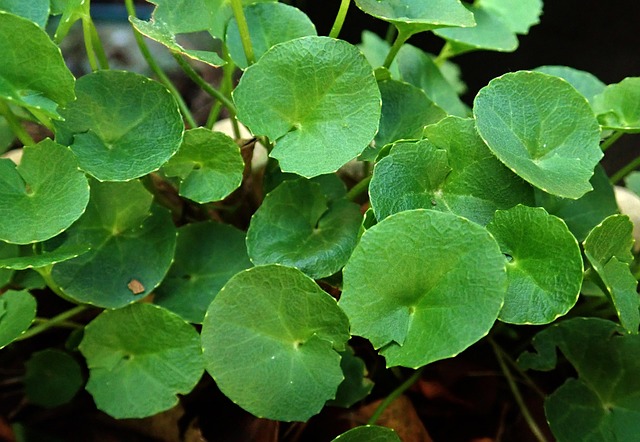
Also known as Indian pennywort or Asiatic pennywort, gotu kola is wetland-growing herb that has both culinary and medicinal uses. Gotu kola’s reputation to improve blood flow is upheld by its use as an herbal treatment for chronic venous insufficiency. It’s hard to find research on gotu kola increasing cerebral blood flow specifically, but it would make sense that if it increases blood flow in the legs, it should work to increase brain blood flow as well. Brain benefits of gotu kola (as demonstrated by research) include a neuroprotective effect thanks to anti-inflammatory and antioxidant properties, an apparent ability to speed up brain cell repair, and a memory-enhancing effect. In one study on thirty-three subjects, gotu kola even demonstrated potential for relieving anxiety, depression, and stress.
Bacopa monnieri
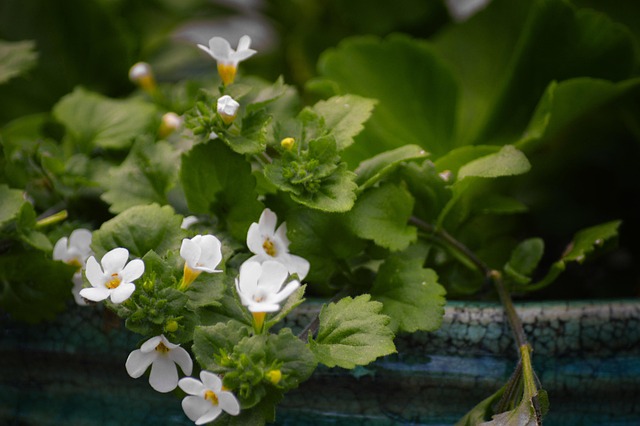
Like gotu kola, bacopa, or water hyssop, is a small aquatic plant used in herbal medicine. Research has shown that bacopa increases blood flow in the brain. Studies have revealed some other impressive effects of bacopa on the brain, including as follows: boosting human subjects’ ability to retain information, enhancing learning ability and memory in rats, protecting brain tissue via an antioxidant effect, and reducing amyloid plaque in mouse brains when used over an extended period of time. Also like gotu kola, bacopa can be (and is) eaten as a vegetable.
Schisandra chinensis berry
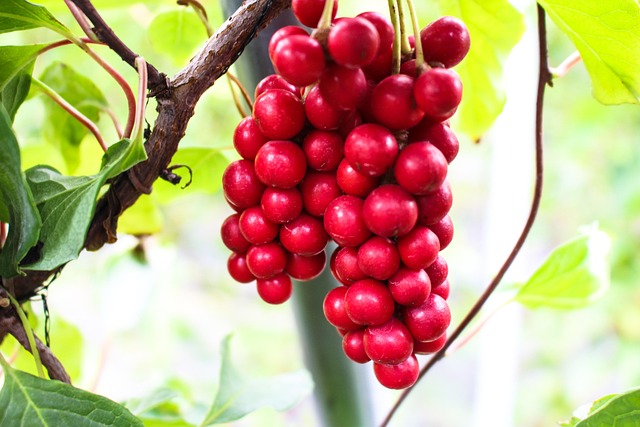
Schisandra is a vine from from the north of China, Japan, eastern Russia, and Korea. It bears clusters of fruit that have been described as having five flavors – salty, bitter, sour, pungent, and sweet. Besides dilating blood vessels in the brain for better blood flow, studies done in vitro (using cells in test tubes or petri dishes) or on animals has found that schisandra has a protective effect on brain tissue by reducing inflammation, preventing cell death, and combating oxidation. Some people dislike the taste of the tea. Personally, I think it tastes similar to wine, especially when it is chilled. In fact, there is a brand that sells carbonated schisandra berry tea in a can, comparing it to rose wine.
Rosemary
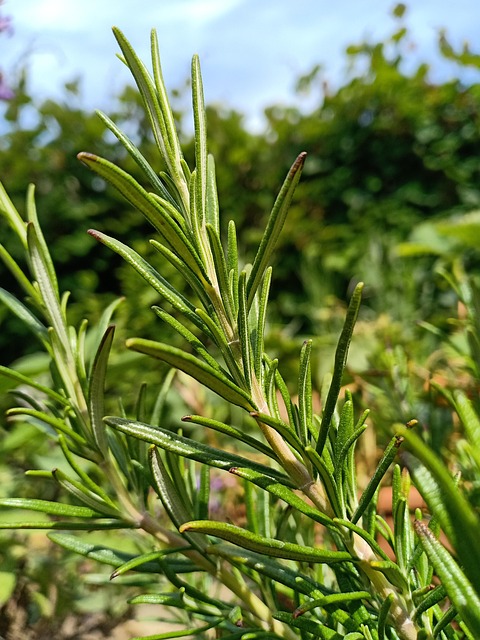
Rosemary has long been touted for its ability to improve memory, and that’s most likely because it increases blood flow to the brain! The mechanism by which it does so is by relaxing blood vessels. This fragrant herb native to the Mediterranean has so many other benefits, including but not limited to use as a sleep aid, potential for alleviating opium withdrawal symptoms, and antidepressant and anti-anxiety effects. Like other herbs discussed above, it also possesses antioxidant and anti-inflammatory properties. An advantage of rosemary is that it is easily accessible in grocery stores and can be added to food. Why swallow a pill when you can just mix the herb into your food for a pleasant flavor in addition to the medicinal benefits?
Chocolate
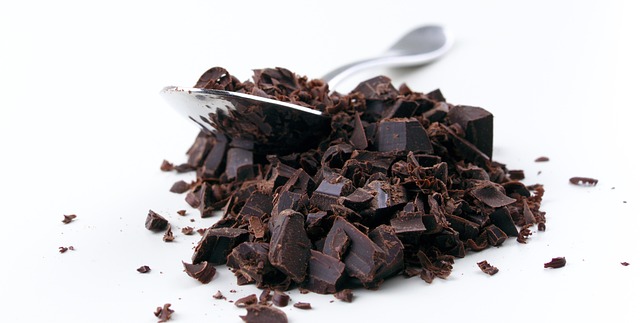
What if you could increase blood flow to your brain by eating a delicious treat? Well, you certainly can – the cocoa component of chocolate increases brain blood flow, thanks to its flavanol content. The flavanols in cocoa themselves work by stimulating the production of nitric oxide, a molecule which dilates blood vessels. Regarding which type of chocolate is better for the job, that would be dark chocolate, as it has a higher cocoa content than milk chocolate. Of course, you can always skip the chocolate and just add straight cocoa powder to your recipes.
Turmeric
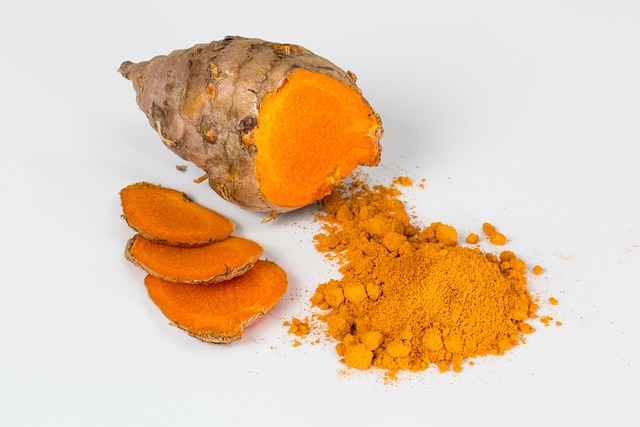
Turmeric is an earthy-tasting yellow-to-orange spice made from the ground-up rhizome of a tropical plant in the ginger family. The active component of turmeric, curcumin, increases blood flow volume to the brain by relaxing blood vessels. Research has backed curcumin’s ability to enhance brain performance in the areas of cognitive speed and memory. It also possesses an anti-inflammatory effect and could hinder the loss of brain cells. As with rosemary, turmeric is convenient because it is easy to find in the spice aisle of grocery stores and it can be used to season food – no need for pills.
These ten suggestions above are not the only ways to increase cerebral blood flow – watch out for part 2 to this article coming up!
References:
1. Balasubramanian, V. (Aug. 2, 2021). Brain power. Proceedings of the National Academy of Sciences. https://pmc.ncbi.nlm.nih.gov/articles/PMC8364152/
2. Clarke, D.C. & Sokoloff, L. (1999.) Circulation and energy metabolism in the brain. In Siegel, G.J., Agranoff, B.W., Albers, R.W., et al (Eds.), Basic Neurochemistry (p. 637). American Society for Neurochemistry. http://research.library.fordham.edu/cgi/viewcontent.cgi?params=/context/chem_facultypubs/article/1082/&path_info=fu_chem_ddc_85.pdf
3. Hyperbaric Oxygen Therapy vs. Regular Oxygen: What’s the Difference? (Apr. 22, 2026). Healogics. https://www.healogics.com/blog/hyperbaric-oxygen-therapy-vs-regular-oxygen/
4. Sharma S. & Hashmi, M.F. (Updated Dec. 22, 2022). Partial Pressure of Oxygen. In: StatPearls [Internet]. Treasure Island (FL): StatPearls Publishing. https://www.ncbi.nlm.nih.gov/books/NBK493219/
5. Malik, M. & Tlustos, P. (Mar. 18, 2023). Nootropic herbs, shrubs, and trees as potential cognitive enhancers. Plants. https://pmc.ncbi.nlm.nih.gov/articles/PMC10056569/#sec1-plants-12-01364
6. Zhang, Y., Li, J., & Yan, C. (Nov. 26, 2017). An update on vinpocetine: new discoveries and clinical implications. European Journal of Pharmacology, 819: 30–34. https://pmc.ncbi.nlm.nih.gov/articles/PMC5766389/#S3
7. Exercise boosts blood flow to the brain, study finds. (Mar. 23, 2021). UT Southwestern Medical Center. https://www.utsouthwestern.edu/newsroom/articles/year-2021/exercise-boosts-blood-flow-to-the-brain.html#:~:text=According%20to%20a%20study%20published%20in%20the,increased%20overall%20blood%20flow%20to%20the%20brain.
8. Liu, J., Min, L., Liu, R., et al. (May 22, 2023). The effect of exercise on cerebral blood flow and executive function among young adults: a double-blinded randomized controlled trial. Scientific Reports, 13. https://www.nature.com/articles/s41598-023-33063-9#Sec19
9. Chong, N.J. & Aziz, Z. (Feb. 21, 2013). A systematic review of the efficacy of Centella asiatica for improvement of the signs and symptoms of chronic venous insufficiency. Evidence-Based Complimentary and Alternative Medicine. https://pmc.ncbi.nlm.nih.gov/articles/PMC3594936/#sec5
10. Eraiah, M.M., Shekhar, H.C., Joshua, L., & Thomas, J.V. (Feb. 15, 2024). Effect of Bacopa monnieri extract on memory and cognitive skills in adult humans: a randomized, double-blind, placebo-controlled study. Journal of Psychiatry and Cognitive Behaviour, 8. https://www.gavinpublishers.com/article/view/effect-of-bacopa-monnieri-extract-on-memory-and–cognitive-skills-in-adult-humans-a-randomized-double-blind-placebo-controlled-study#:~:text=In%20vitro%20and%20in%20vivo%20experimental%20studies,animal%20studies%20have%20demonstrated%20cognition%2Denhancing%20effects%20of
11. Zou, Y., Li, B., Wang, M., Xie, X., et al. (Feb. 14, 2025). Comparative evaluation of the therapeutic effects of Schisandra chinensis and Schisandra sphenanthera on vascular cognitive impairment and their drug-like compounds. Global Translational Medicine, 4 (1). https://accscience.com/journal/GTM/4/2/10.36922/gtm.6879
12. Manville, R.W., Baldwin, S.,N., Eriksen, E.Ø., Jepps, T.A., & Abbott G.W. (Sep. 1, 2024). Medicinal plant rosemary relaxes blood vessels by activating vascular smooth muscle KCNQ channels. FASEB 37 (9). https://pmc.ncbi.nlm.nih.gov/articles/PMC10437472/#S13
13. Solhi, H., Salehi, B., Alimoradian, A., Pazouki, S., et al. (2013). Beneficial effects of rosmarinus officinalis for treatment of opium withdrawal syndrome during addiction treatment programs: a clinical trial. Addict Health, 5 (3-4). https://pmc.ncbi.nlm.nih.gov/articles/PMC3905473/#sec7
14. Faraci, F.M. & Brian Jr, J.E. (Mar. 1994). Nitric oxide and the cerebral circulation. Stroke, 25 (3). https://pubmed.ncbi.nlm.nih.gov/7510430/#:~:text=Nitric%20oxide%20(NO)%20is%20a%20vasodilator%20that,cerebral%20circulation%20appears%20to%20be%20very%20important.
15. Francis, A.J., Sreenivasan, C., Parikh, A., Al Qassab, O., et al. (Aug. 25, 2024). Curcumin and cognitive function: a systematic review of the effects of curcumin on adults with and without neurocognitive disorders. Cureus, 16 (8). https://pmc.ncbi.nlm.nih.gov/articles/PMC11421876/#sec3
Did you find this information useful? Here are more articles that may interest you: